
No products in the cart.

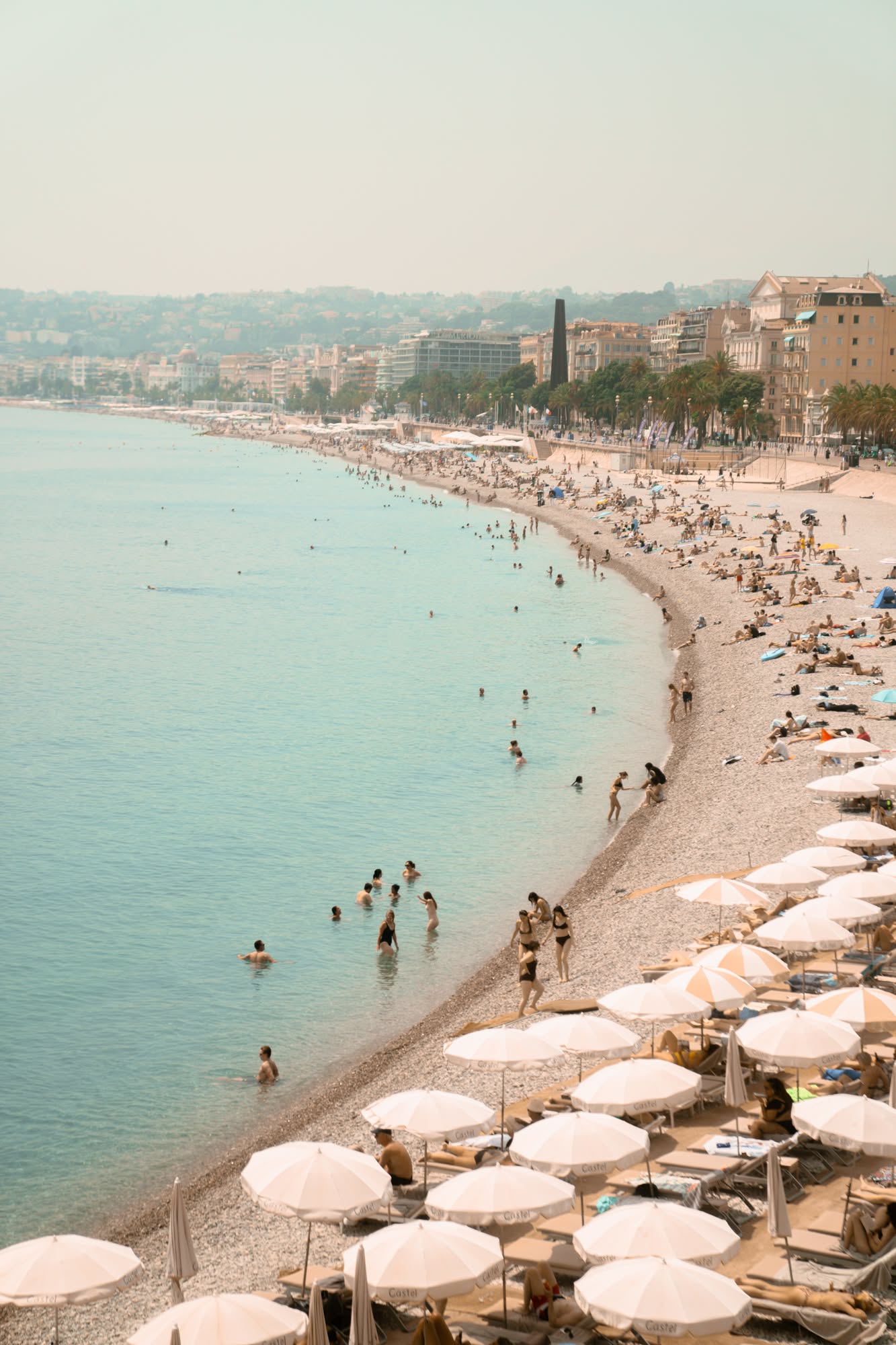
WhERE ICE MEETS THE SEA: HOW GLACIERS BROUGHT ME TO NICE, FRANCE
The train leaves Paris quietly.
I’ve just hours before arrived from New York, via Reykjavik—a bittersweet layover and connection point in more ways than one for this journey.
Almost immediately, the city begins to loosen its grip. Apartment blocks give way to open countryside. Fields stitched with wheat and vineyards stretch toward the horizon, interrupted only by church steeples that rise above villages gathered around them as though time has slowed to accommodate another century.
Travelling by rail asks something different of you than flying. It refuses immediacy. Instead, it teaches you to notice transition.
For nearly six hours I watched France unfold through a window – as if I have found myself in a Van Gogh painting – swirling and mystified. Every hour seemed to belong to a different landscape. Somewhere south of Lyon, the horizon began to change. The softness of farmland gave way to something older and more angular. The first outlines of the French Alps emerged through the summer haze, not yet close enough to reveal their details, only their presence. Blue-grey against blue, dissolving into the sky like a memory. The mountains arrived quietly. Long before I saw the sea.
Only later would I realize how fitting that felt.
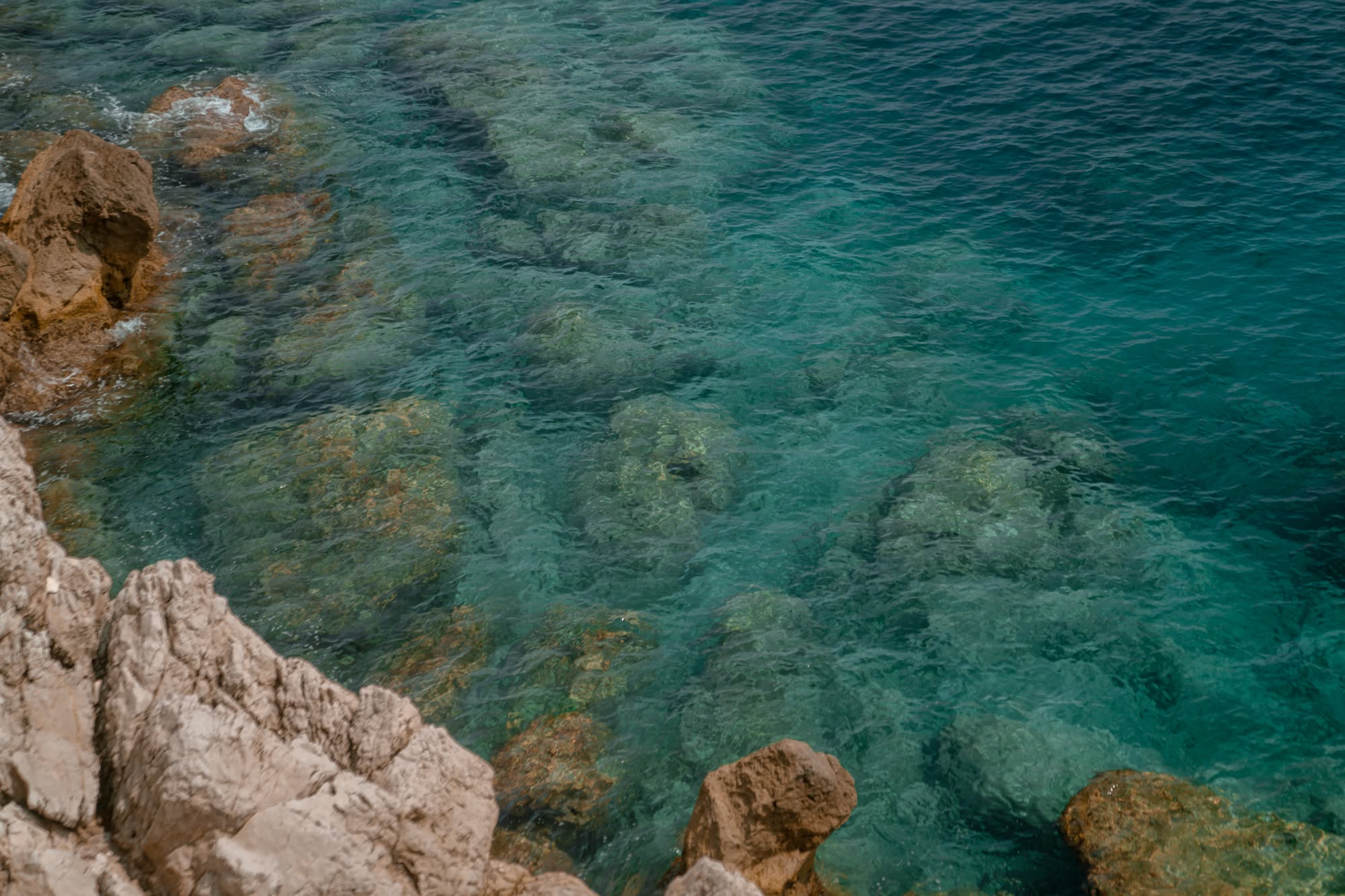
Then, almost imperceptibly, the Mediterranean appeared.
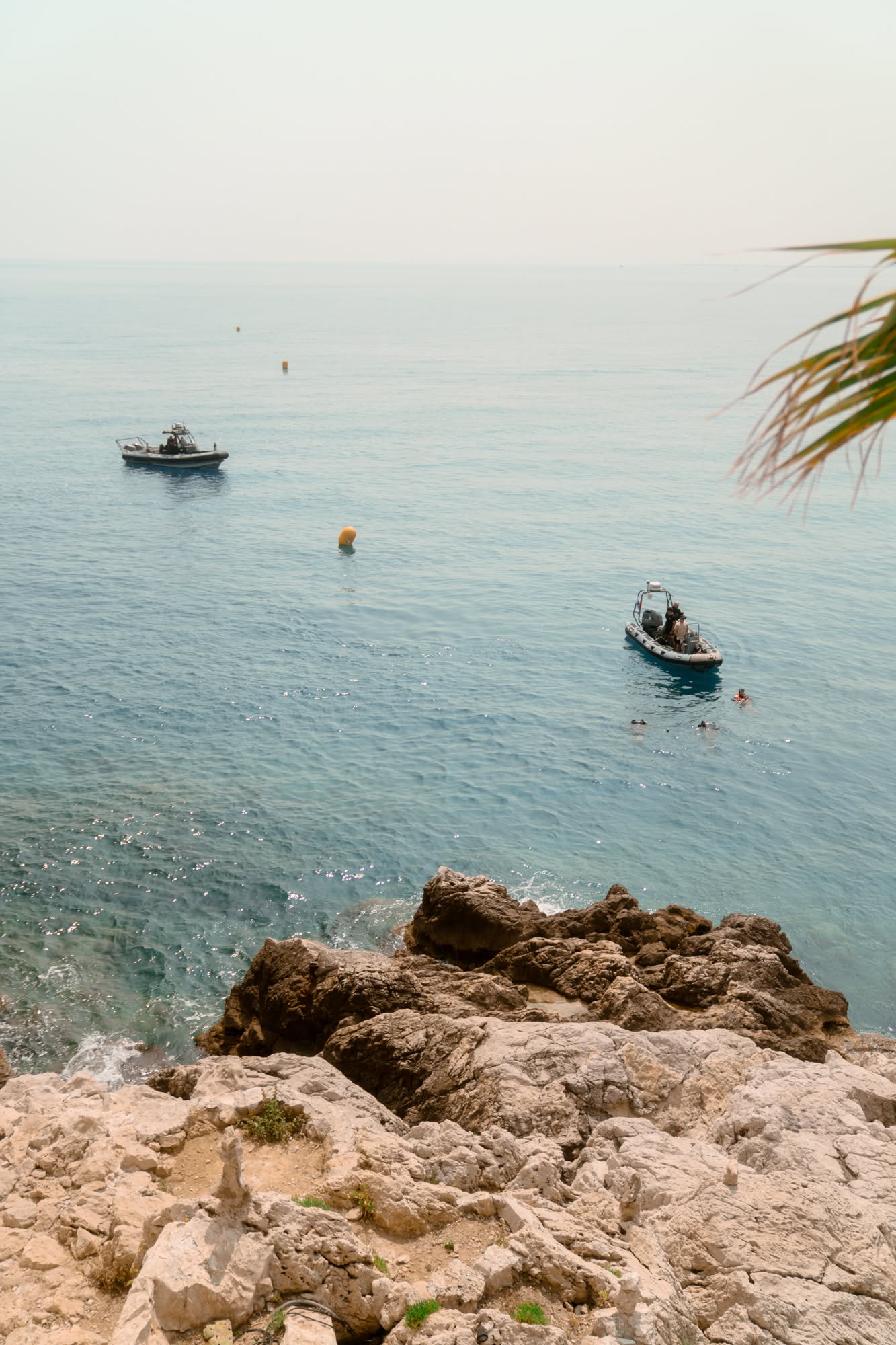
There is a particular shade of blue that belongs only to this coastline. Azure. At first it seems almost impossible, as though someone has quietly turned up the saturation of the world. The sea accompanied the train for the final stretch into Nice, shimmering beneath an evening sky still holding the warmth of the day until darkness slowly settled over the city.
I would spend the next week here.
Officially, I had come to present my work at the invitation of French glaciologist Heidi Sevestre during the 2025 United Nations Ocean Conference, where artists, scientists, Indigenous leaders, and policymakers had gathered to discuss the future of our oceans and the cryosphere.
But conferences rarely become the thing we remember. Places, and the communities we encounter in those places do.
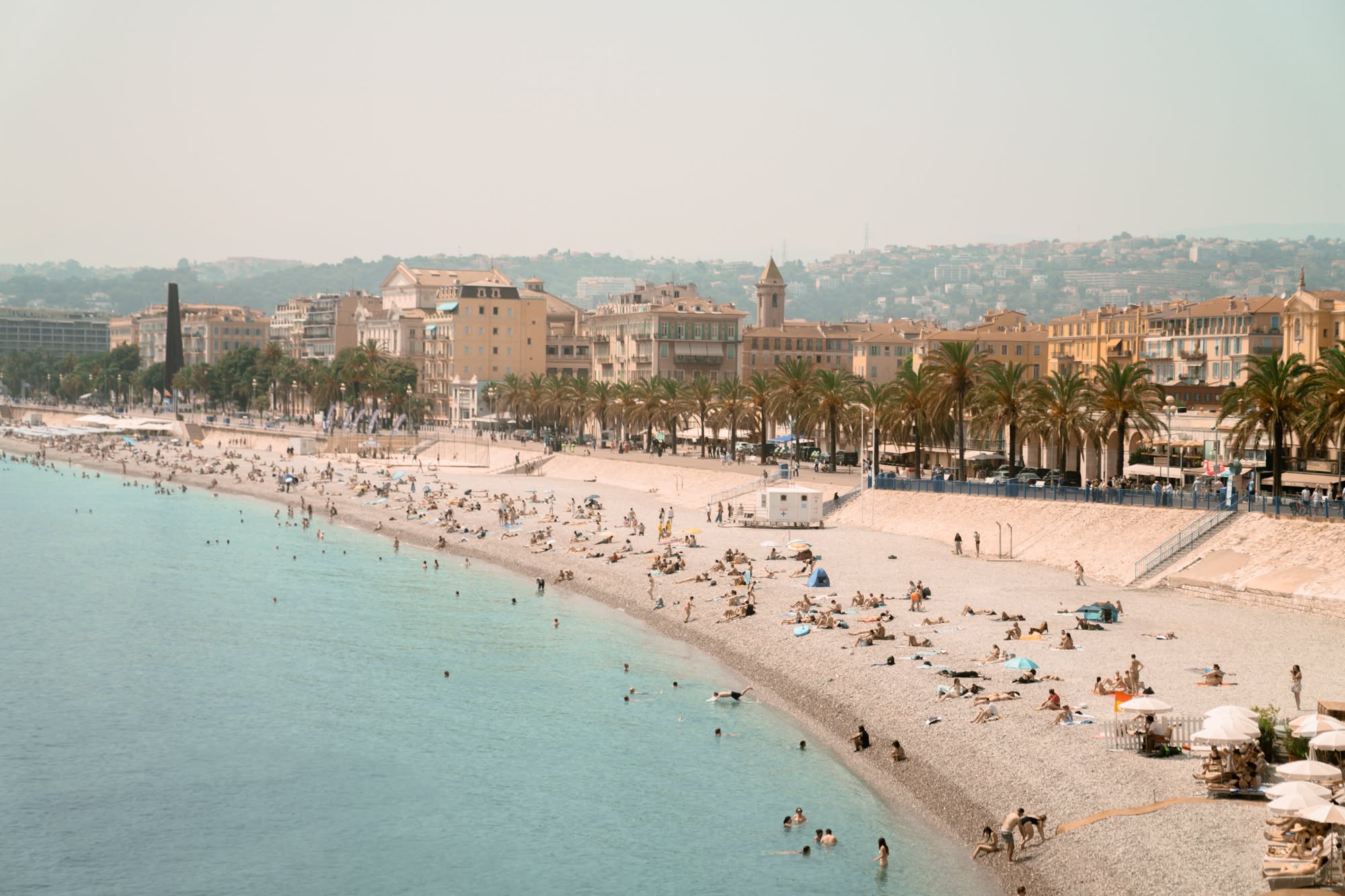
DAILY rituals
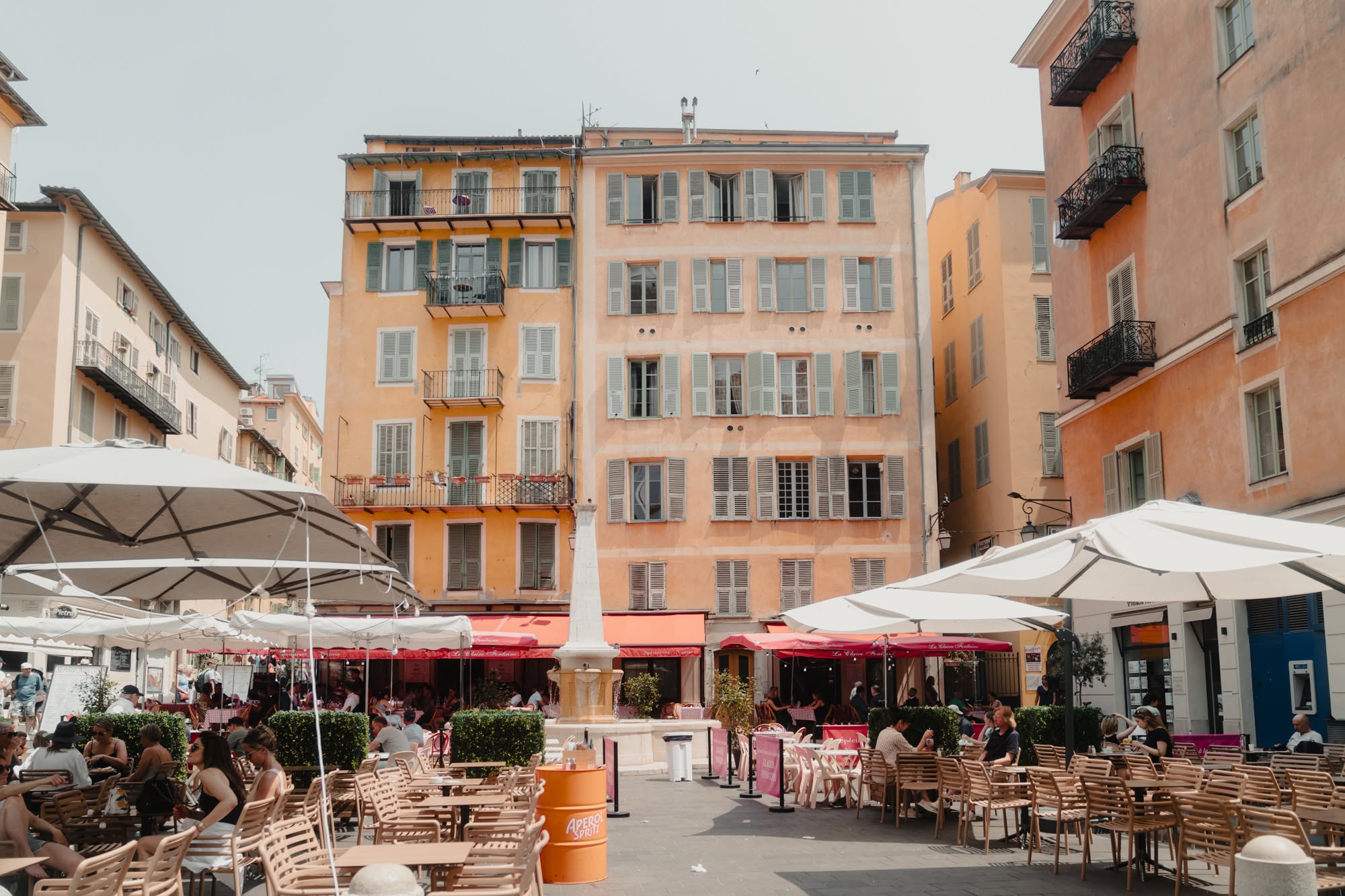
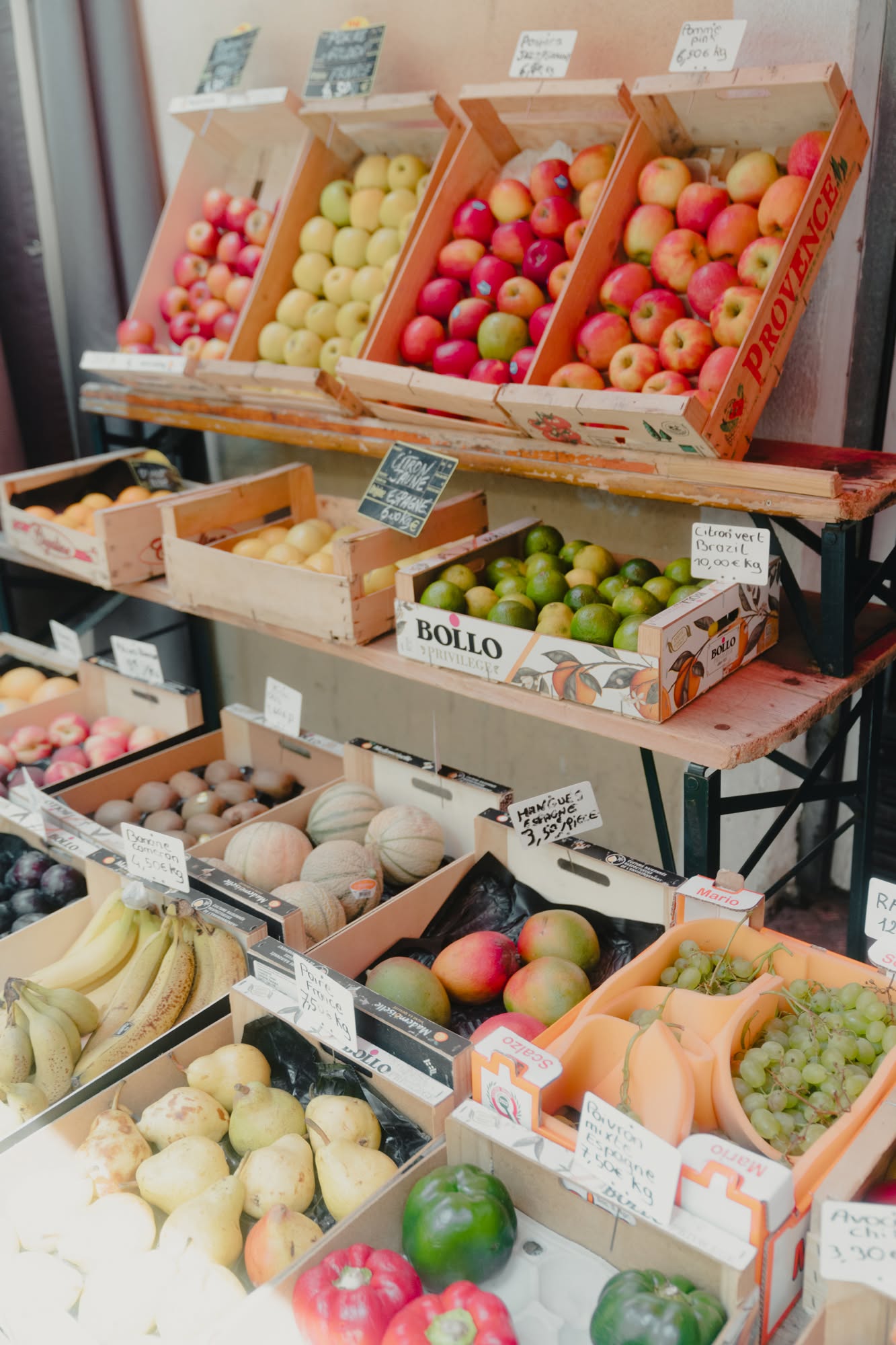
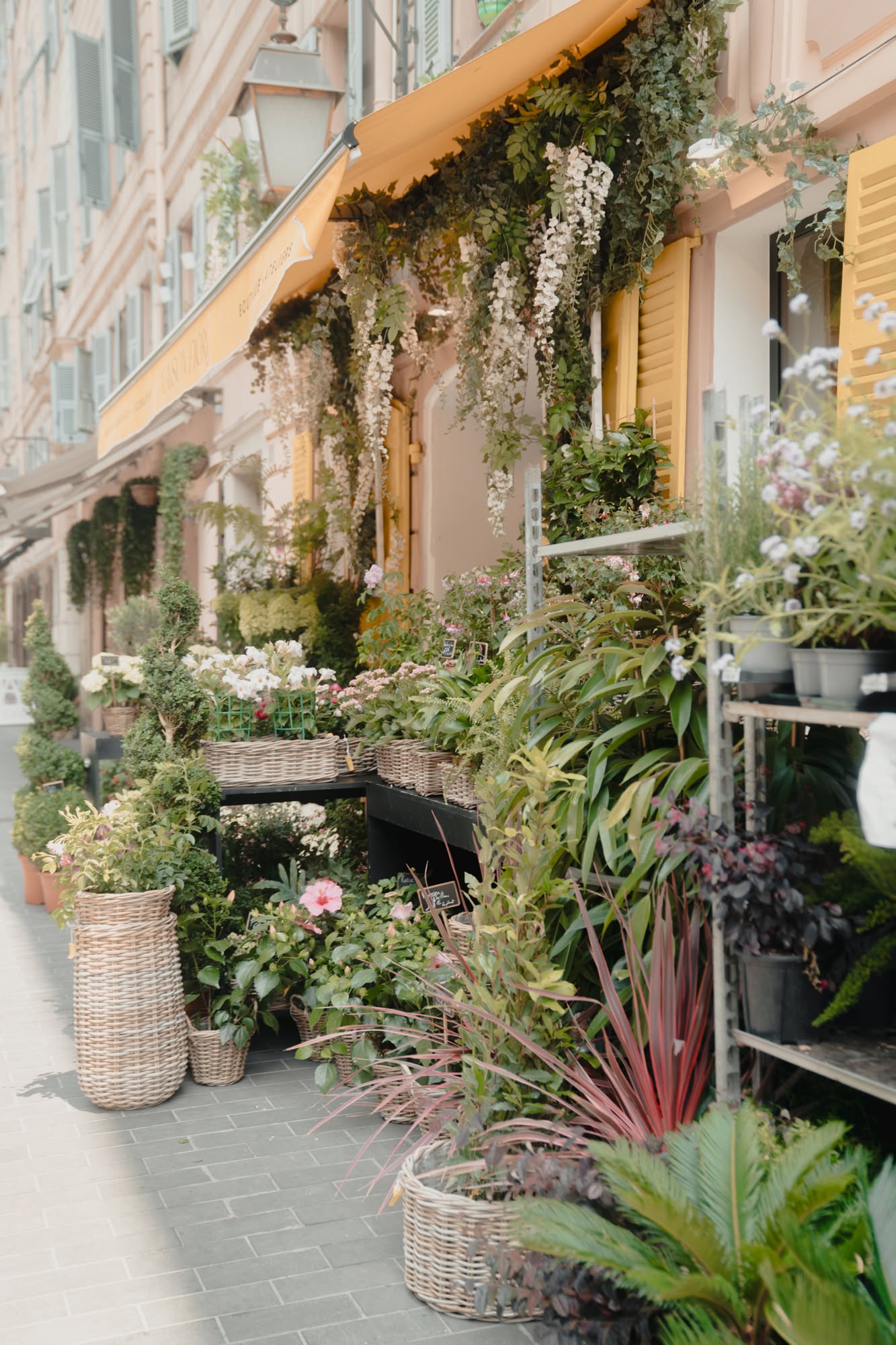
Each morning began with a walk through streets still waking. Metal shutters rattled open over boulangeries, the smell of butter and fresh bread and pastries spilling onto the pavement before the first customers arrived. Elderly neighbours greeted one another in doorways and scanned the alleys, through open window before the heat of the day forced them closed again. Market vendors arranged pyramids of apricots, tomatoes still warm from the fields, glossy olives, bunches of basil and lavender. The city moved slowly in the morning, unfurling – embracing the comfortable warmth that awakens the soul of a place and it’s people.
The morning rhythm gently insisted that everything worth noticing required a slower pace.
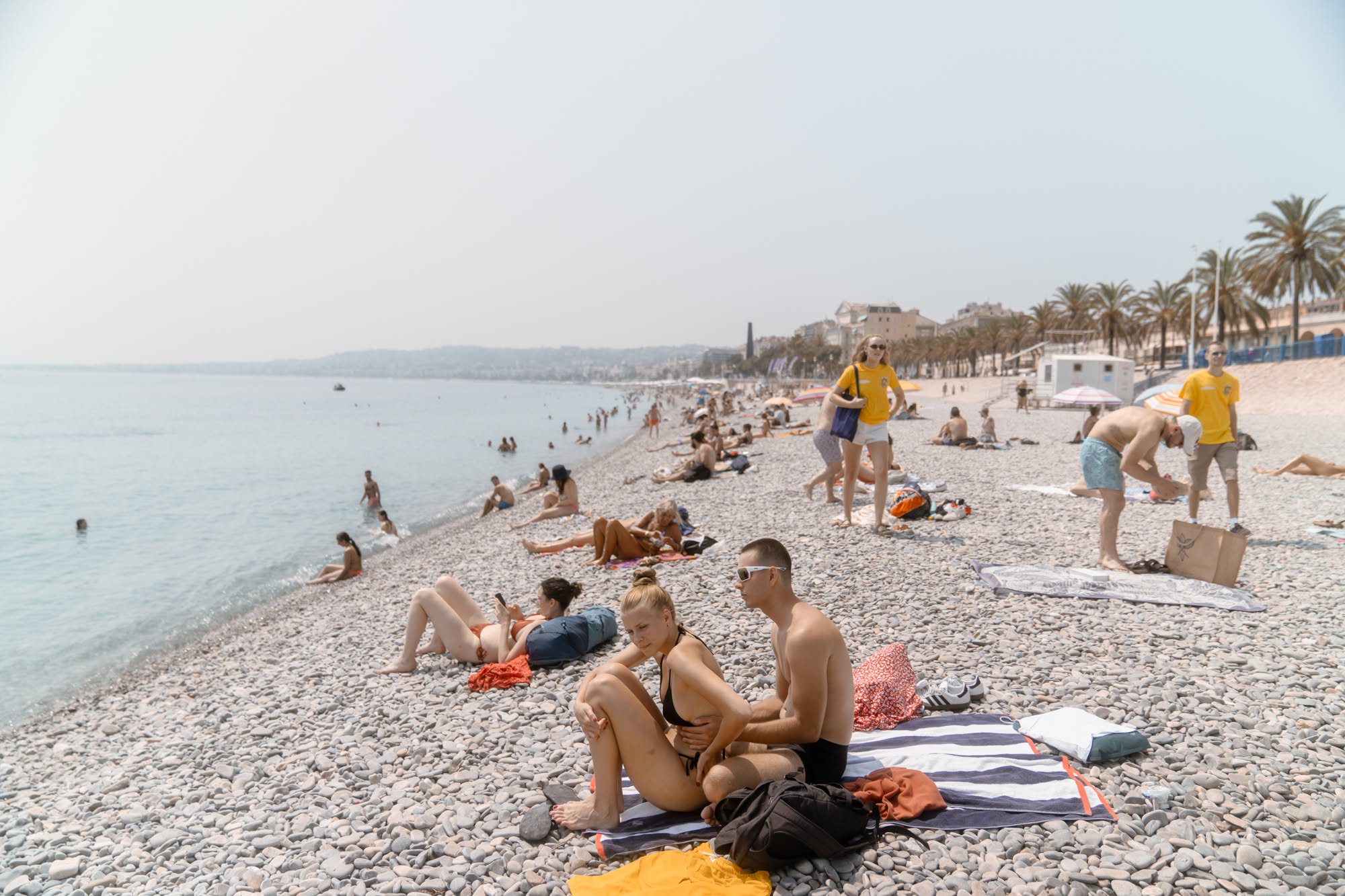
By midday, the warmth of the Mediterranean sun became impossible to ignore. Nice was in the grip of an early summer heatwave. The cobblestone streets radiated warmth, locals sought refuge beneath striped umbrellas, and every fountain became an invitation to pause.
It was impossible not to think about the glaciers that inspired my work, the frozen giants and their accelerated melt as our planet continues to warm at a frightening rate.
part of thethe SAME STORY
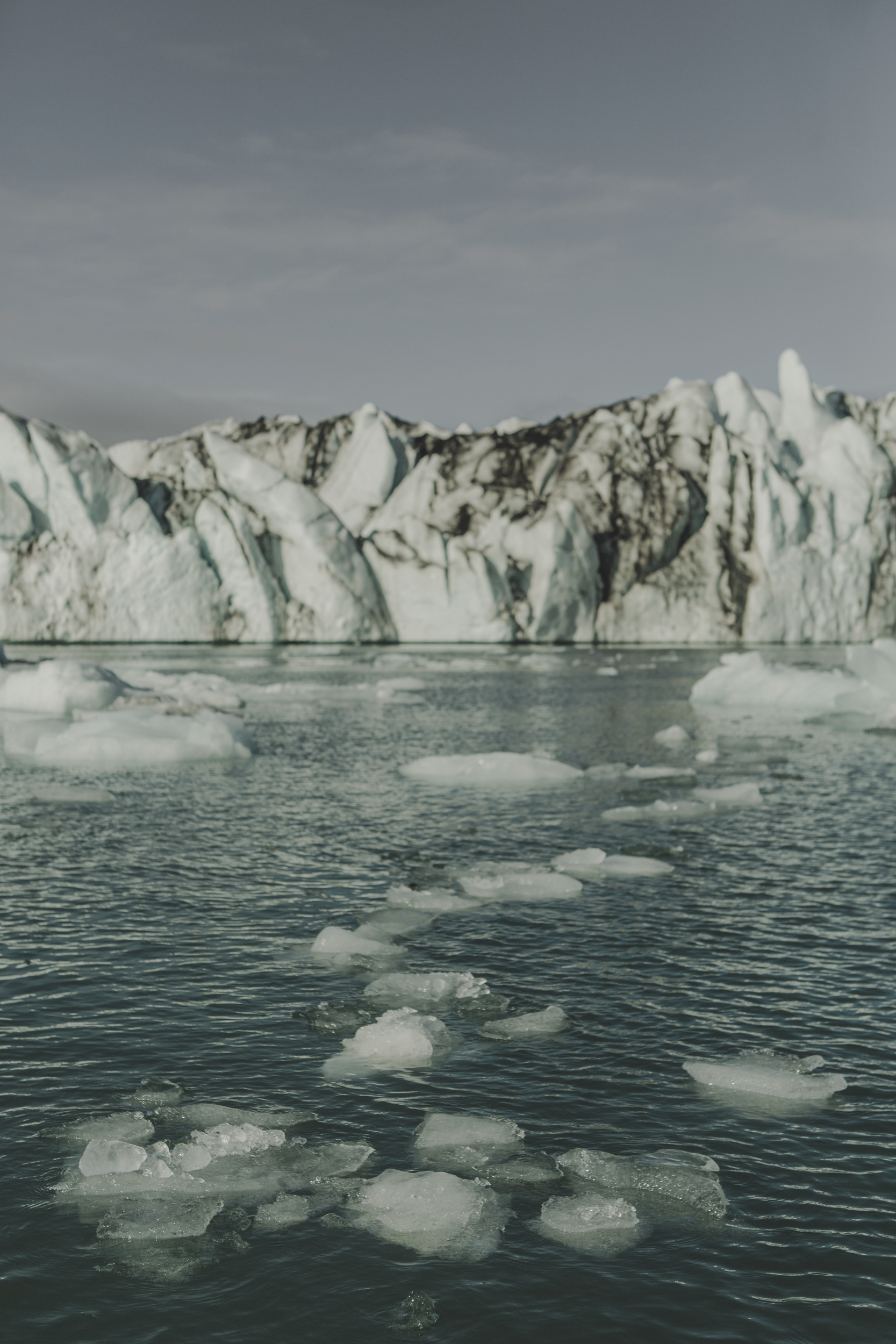
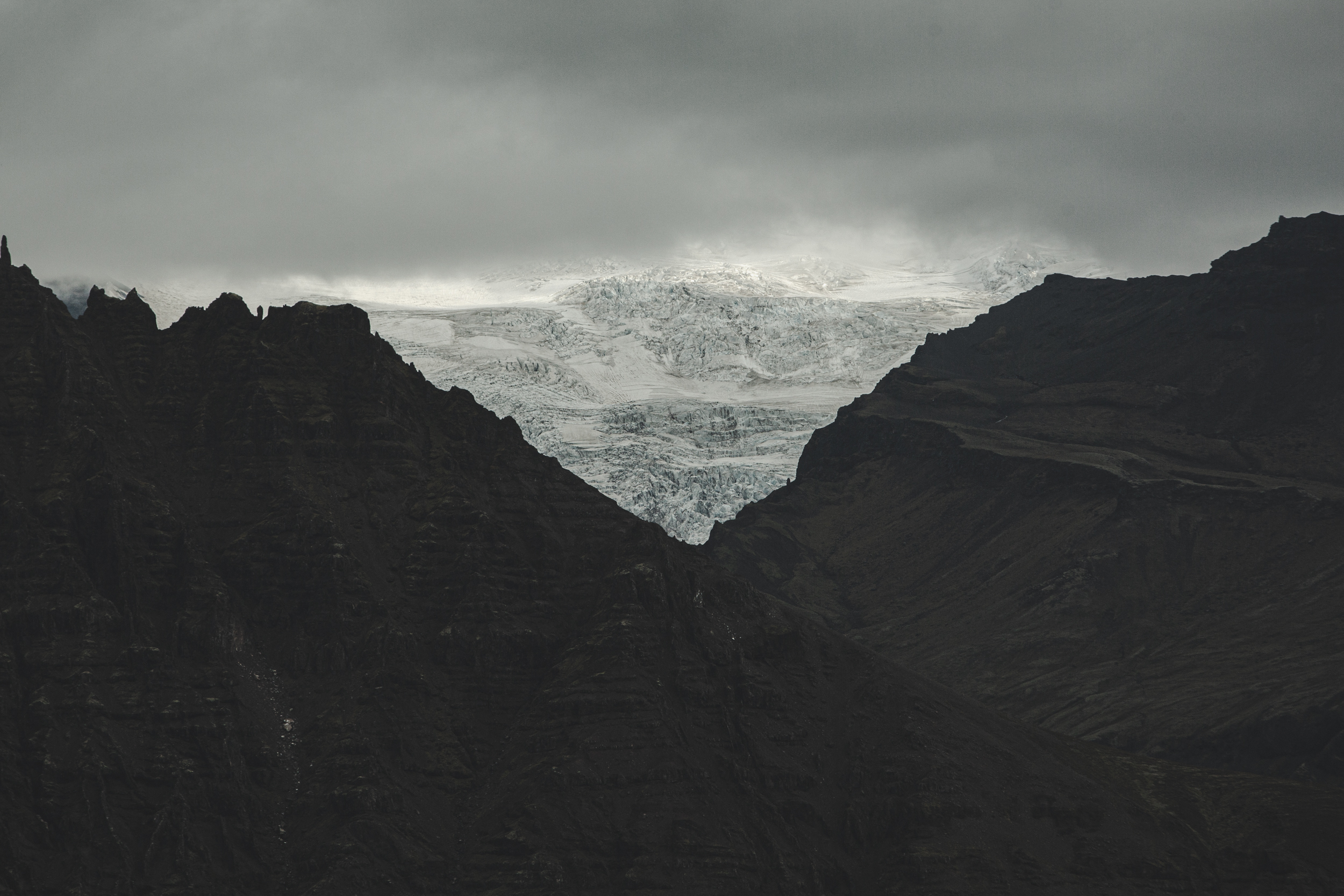
My most recent work has revolved around glaciers: vast, ancient landscapes that quietly archive Earth’s climate memories. The mediums and themes I have explored in my work have always lived somewhere between science and emotion.
Art cannot replace data. But where science explains, art invites us to feel.It creates space for wonder before understanding. For empathy before action.
Perhaps that is why I had come.
Not simply to show films and and speak of disappearing ice, but to remind people that glaciers are not remote places existing at the edge of someone else’s world.
They are here. Flowing quietly through every river. Touching every coastline. Meeting us, eventually, at the sea.
Outside the conference, another education unfolded.
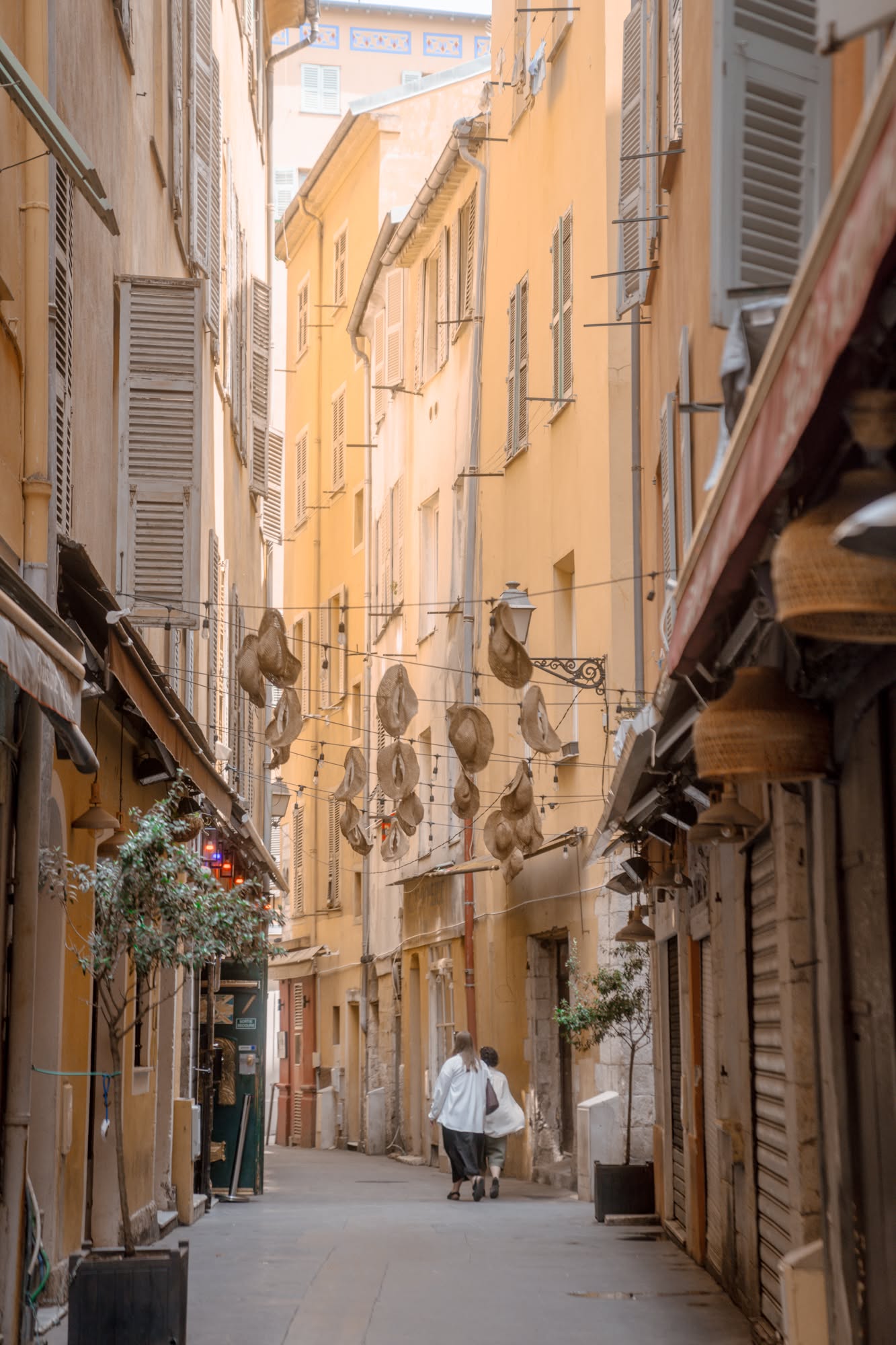
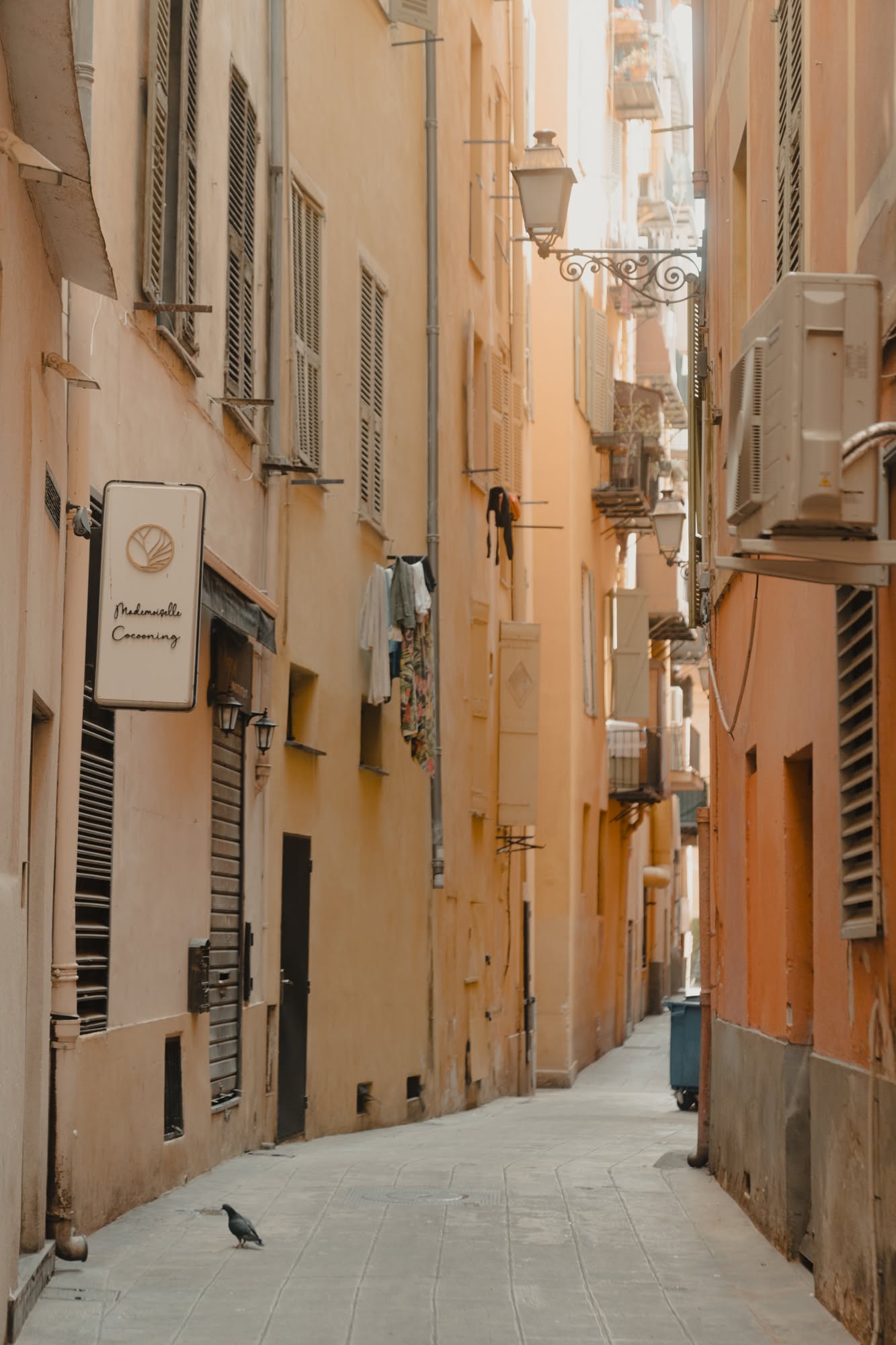
I wandered through the narrow streets of Vieux Nice with no destination beyond curiosity. I lingered over socca folded into paper and eaten standing in quiet squares. I learned that meals here stretch naturally into conversation, that no one seems hurried to leave a café, and that some of the most memorable moments of travel happen when nothing in particular is planned.
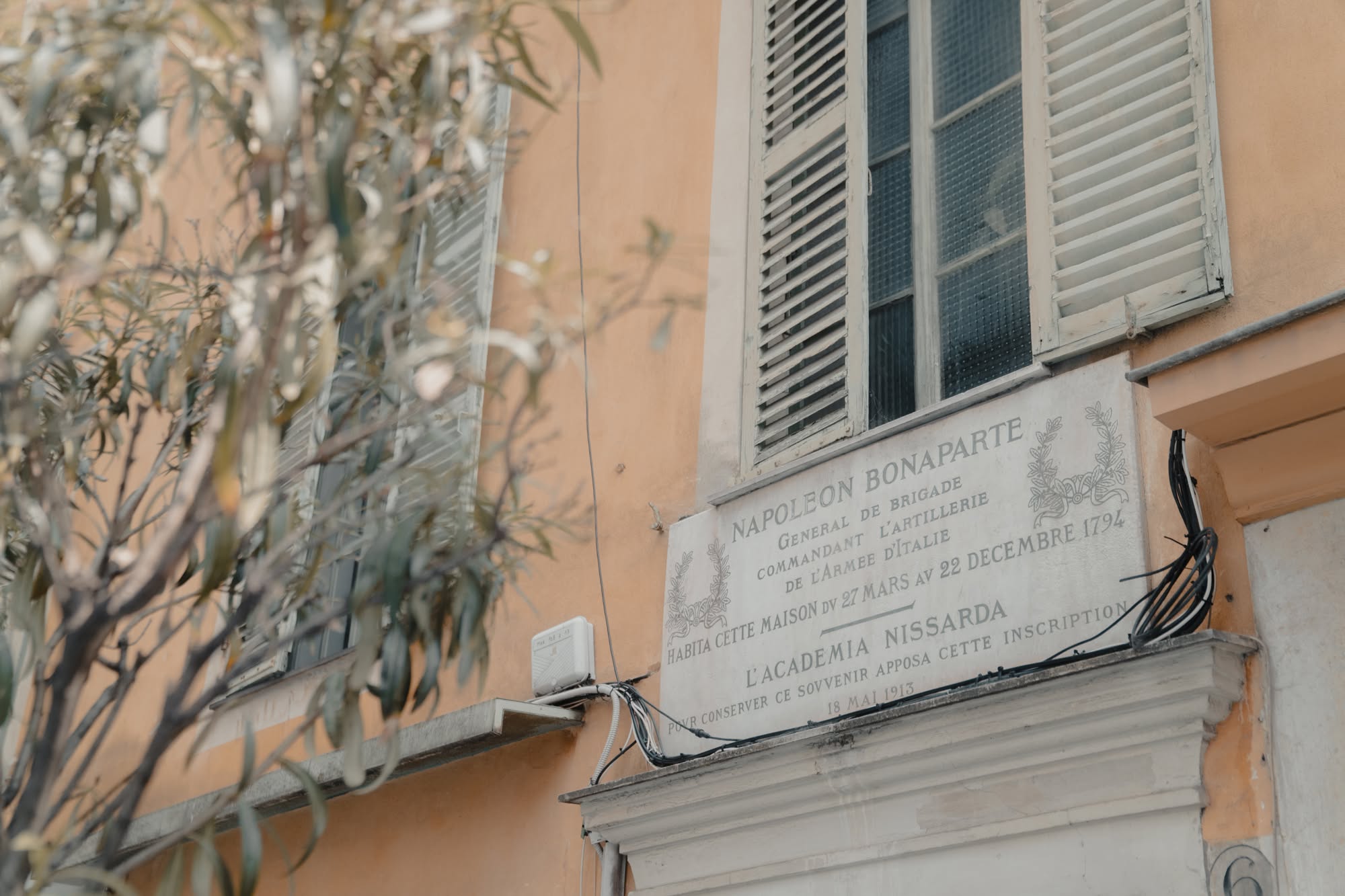
The apartment I rented overlooked one of these narrow streets.
It wasn’t remarkable by any conventional measure.
But every evening, after the intensity of the conference had subsided, I carried home a small paper bag from the neighbourhood fromagerie and another from the wine shop around the corner. Comté. A soft chèvre dusted in ash. Thin slices of cured saucisson. A still-warm baguette tucked beneath my arm. Sometimes peaches so fragrant they perfumed the entire kitchen.
I would take everything onto the small balcony.
Church bells marked the passing hours. Swifts darted between terracotta rooftops, and a family gulls came two and fro with fresh caught fish for their young, nestled and nested on the rooftop across from my balcony. The conversations of neighbours floated upward from alley below in a language I could only partially understand but somehow didn’t need to. As daylight slowly surrendered to evening, I found myself thinking less about the presentations I’d attended and more about the extraordinary ordinariness of being there.
Travel often celebrates movement: The landmarks visited. The distances covered. The spectacular – which all do have their place in our overarching stories as well.
Yet what I tend to remember most is the small moments, the details that make up the landscapes, and the stillness that can often follow awe.
Sharing wine with new friends whose lives had become, like mine, entwined with protecting this planet, in whatever ways we can. Listening to stories from glaciologists who had spent seasons in the Arctic, artists translating scientific grief into visual language, musicians translating glacier sounds into song, filmmakers documenting disappearing ice fields, researchers who had dedicated their careers to landscapes many people will never see. We had all arrived in Nice by different routes, but found ourselves connected by the same question:
How do we help people care for places that feel impossibly far away?
The answer, I began to think, might begin much closer to home.
It begins by slowing down and paying attention. To a meal prepared with local ingredients. To a city whose pace encourages walking instead of rushing. To the mountain glimpsed from a train window before anyone tells you its name. To the sea that reminds you every evening that glaciers, no matter how distant they seem, are already here.
And as for Nice, the city itself taught me that climate is never an abstract subject. It is the warmth held in stone after sunset. It is the changing rhythm of seasons. It is the food that grows in nearby soil. It is the people gathered around a table at day’s end, sharing bread, cheese, wine, and stories that travel as quietly as rivers, from the mountains, to the sea. It reminded me that every place carries echoes of another. That ice and sea are part of the same story. That slowing down, whether in quiet awe in the presence of a new landscape, over an evening meal prepared with friends, or while standing before a piece of art, is perhaps the first act of paying attention.
And perhaps paying attention is where protecting our beautiful planet begins.



Aiden Moore
Egestas sed sed risus pretium quam vulputate dignissim suspendisse in. Pharetra sit amet aliquam id diam maecenas ultricies mi.