
No products in the cart.

Where The Earth Breaths: Recollections From A FIRST JOURNEY TO ICELAND
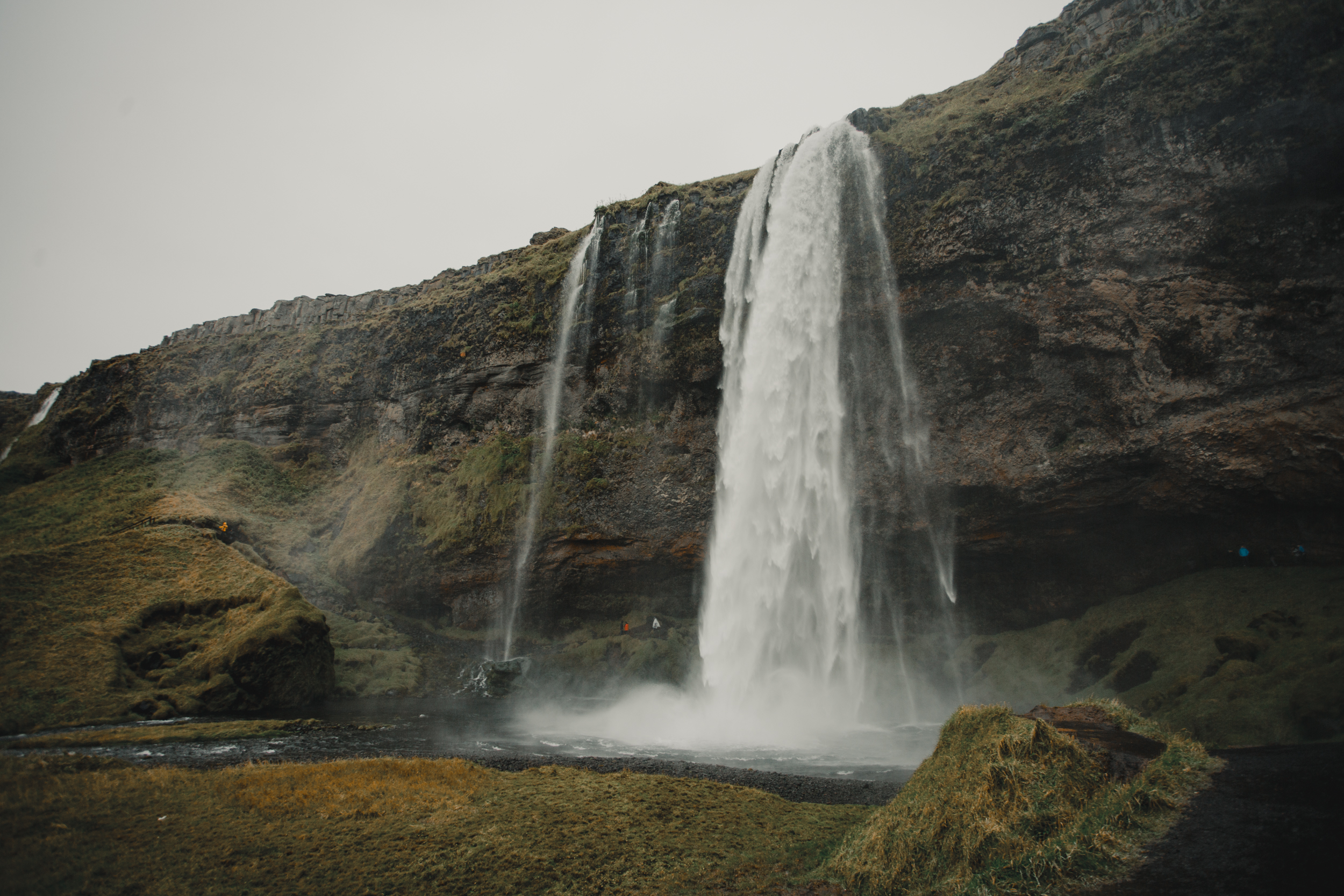
Some journeys leave you with photographs, memories made and talked about over dinner conversations with friends and family. But sometimes, there are the rare ones that quietly rearrange us, they remain because they become embedded in your very being.
Our first trip to Iceland, in the autumn of 2022, did the latter.
My husband Leo and I had dreamt about the journey for years. We spoke often about glaciers and waterfalls, volcanoes and black sand beaches, imagining Iceland as a place that existed somewhere between reality and myth. But nothing either of us had read, watched, or imagined prepared us for what it felt like to actually arrive and step foot on it’s volcanic terrain.
Finally an opportunity came in September when an Icelandic airline began flying affordable flights again from Stewart Airport in Newburgh, NY directly to Keflavik. We jumped at the opportunity to make imagination, reality.
Sometimes, there are the rare journeys that quietly rearrange us, they remain because your whole body remembers them.
FIRST breath
I can still summon Iceland with my eyes closed.
Memory has a curious way of preserving places, especially those that are new. We remember the grand landscapes, of course, but it is often the overlooked details that linger longest: the sulphur in the air, the constant conversation of the wind, the way low clouds dissolved into mountains without revealing where one ended and the other began, the endless autumn light that softened every edge. These are the things that quietly embed themselves in us.
The first breath outside Keflavík Airport….
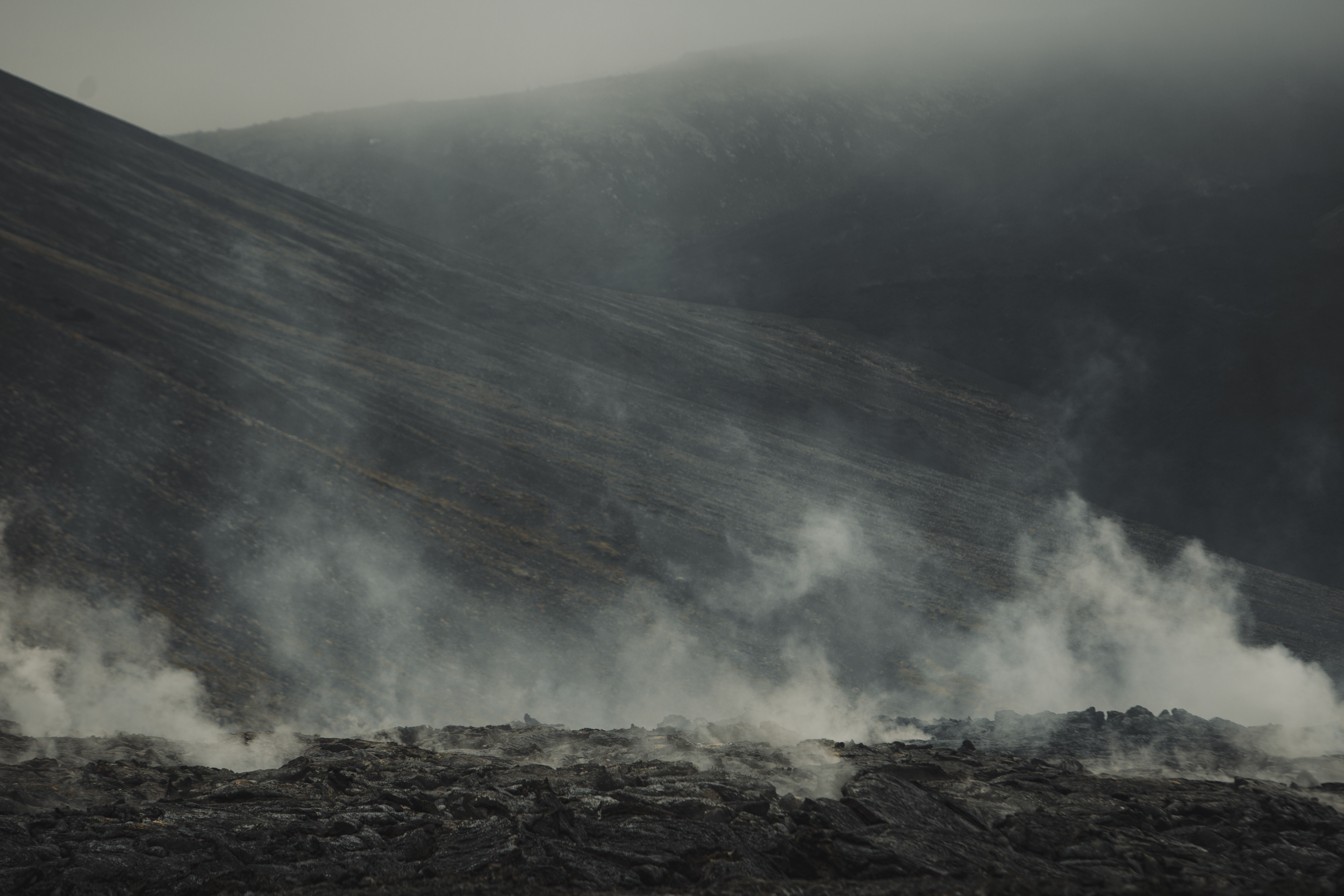
As the airport doors slid open at Keflavík, after a 5 hour flight from New York, the cool, clean air carried the unmistakable scent of volcanic sulphur. It drifted on the wind before we had seen anything of the landscape itself, a reminder that beneath Iceland’s quiet surface, the earth is constantly alive. It wasn’t unpleasant. It was elemental. Ancient. A scent unlike anywhere else I’d been, and one that, even now, has the extraordinary ability to transport me back in an instant.
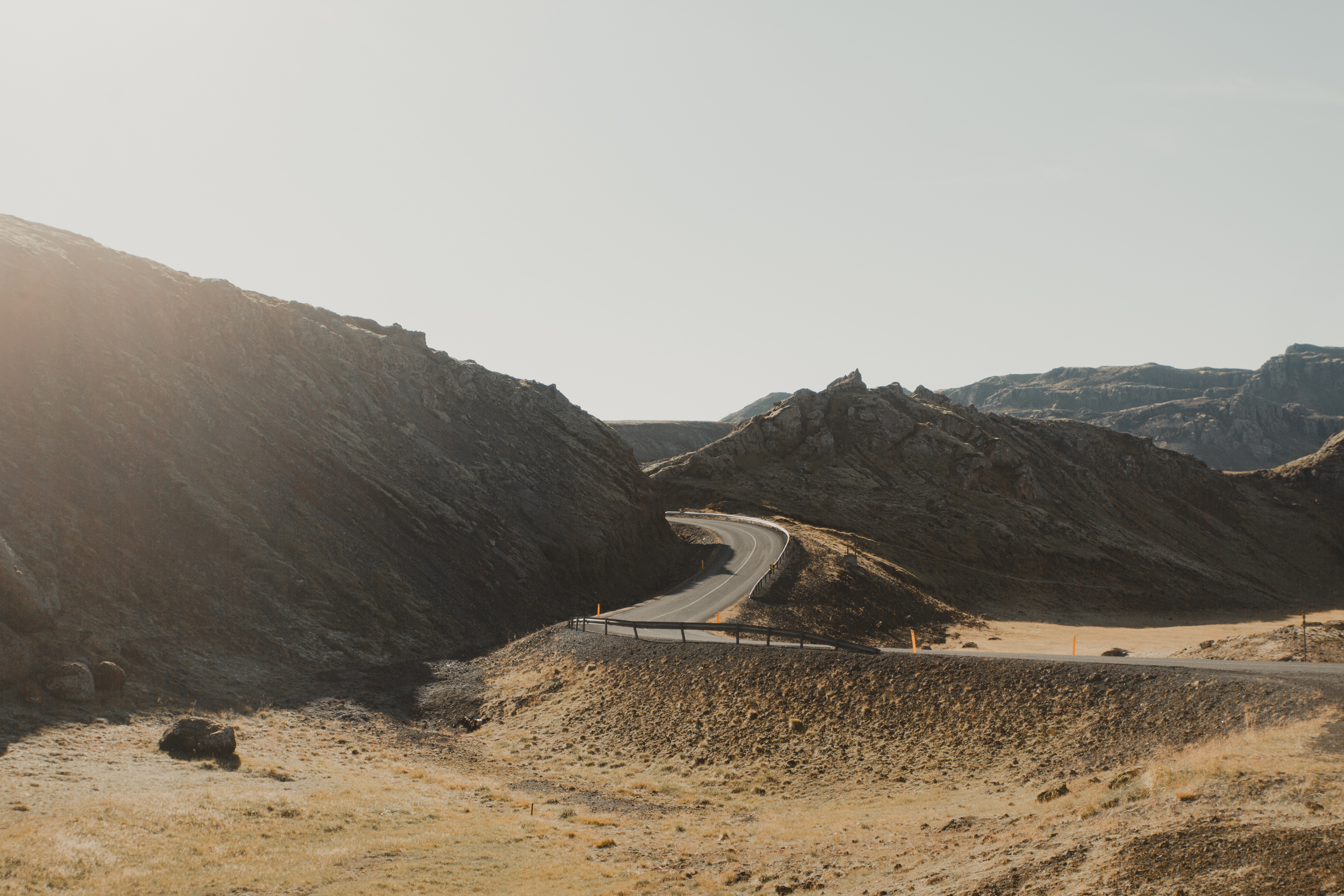
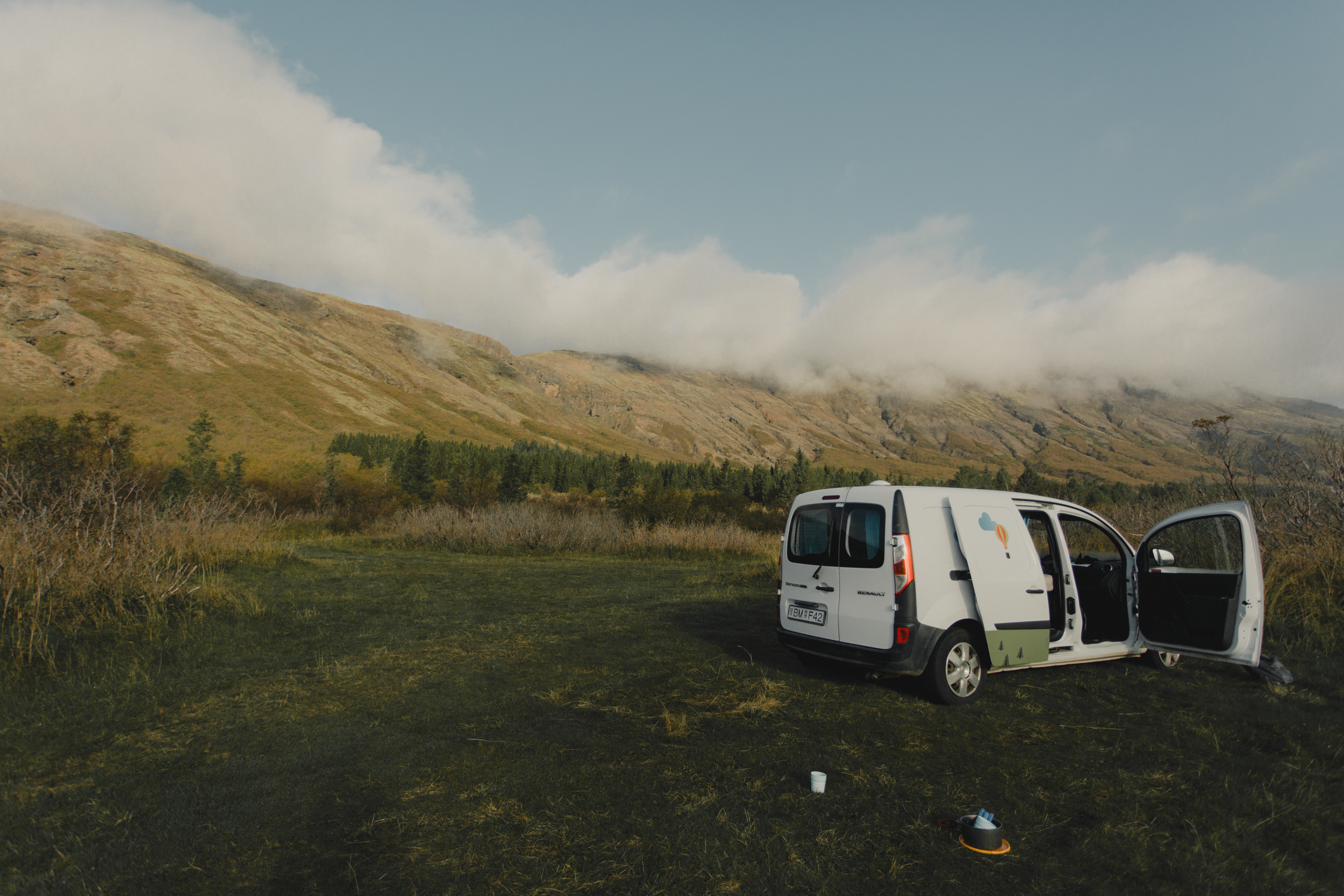
Leo and I decided as may travelers to Iceland do, to spent our journey in a small camper van, following the ring road along the South Coast eastward from Reykjavík towards Höfn. Leo, as he often does, had meticulously planned our trip with lists and maps, giving us solid navigation for our ten days on the island.
There is a peculiar intimacy that comes from living inside a van. The ritual of boiling coffee on a tiny stove while rain tapped gently against the roof. Pulling back the curtains in the morning to discover an entirely different landscape waiting outside. Falling asleep to the wind rocking the van, wondering if the weather would soften by morning or become wilder still – you can experience all four seasons in Iceland in one afternoon. Home became wherever we parked. One evening it overlooked the sunrise lifting over Vestrahorn in Höfn. Another morning we woke surrounded by vibrant moss covered black lava fields still wet with dew. Every campsite felt less like accommodation and more like permission to linger – even though a day of exploration was beckoning us to keep moving.
UNFURLING through vastnessvastness
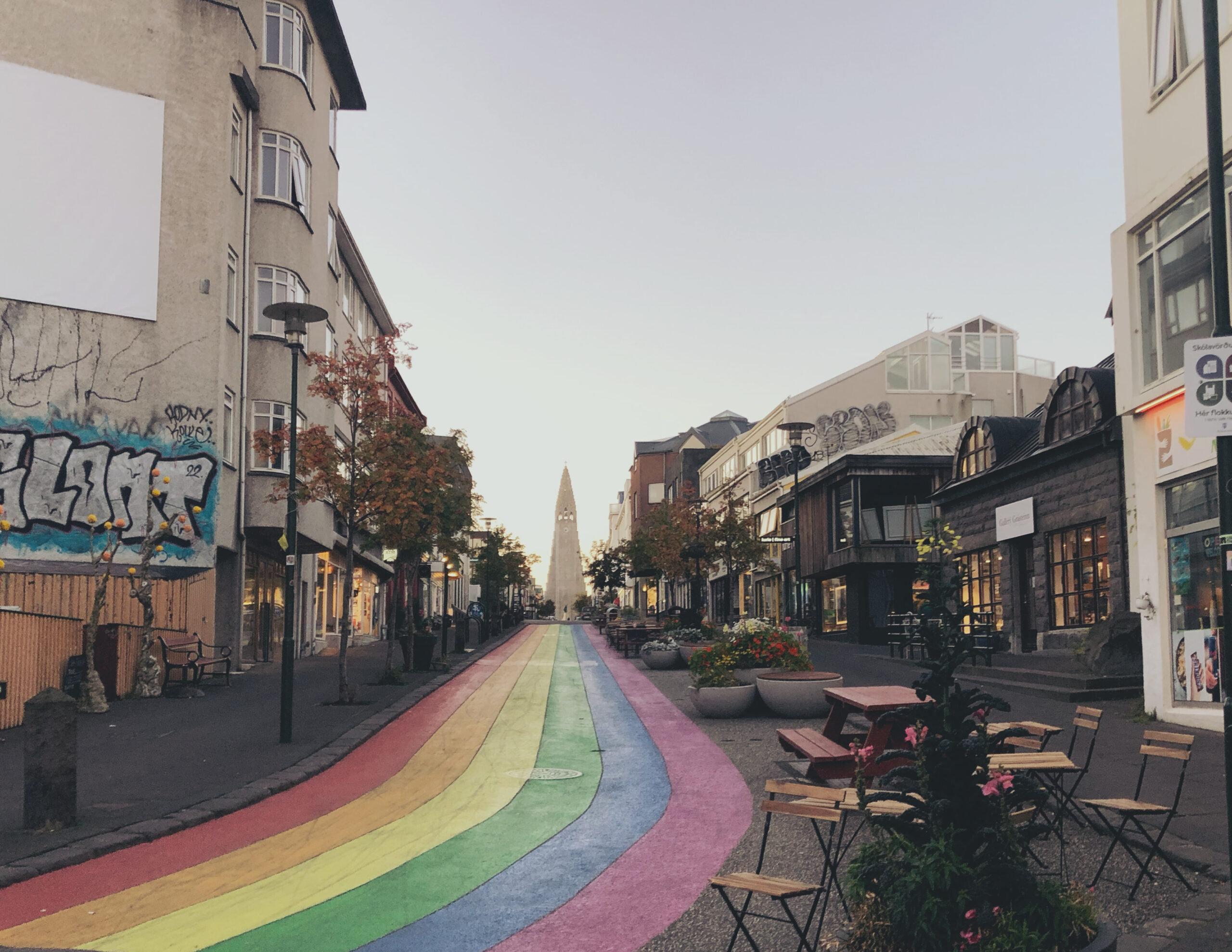
Reykjavík felt modest against the scale of everything surrounding it. Colourful rooftops huddled beneath expansive skies, while beyond the city the landscape unfolded almost immediately into lava fields carpeted with impossibly soft green moss. We stopped only briefly to gather groceries and supplies, and while waiting for the stores to open, found a wonderful spot for brunch, Apotek, which has become one of the staple spots on our return trips to the Island. After enjoying some of the best lox, meats and cheeses we have ever had, with full bellies, we were ready to venture on into the unknown.
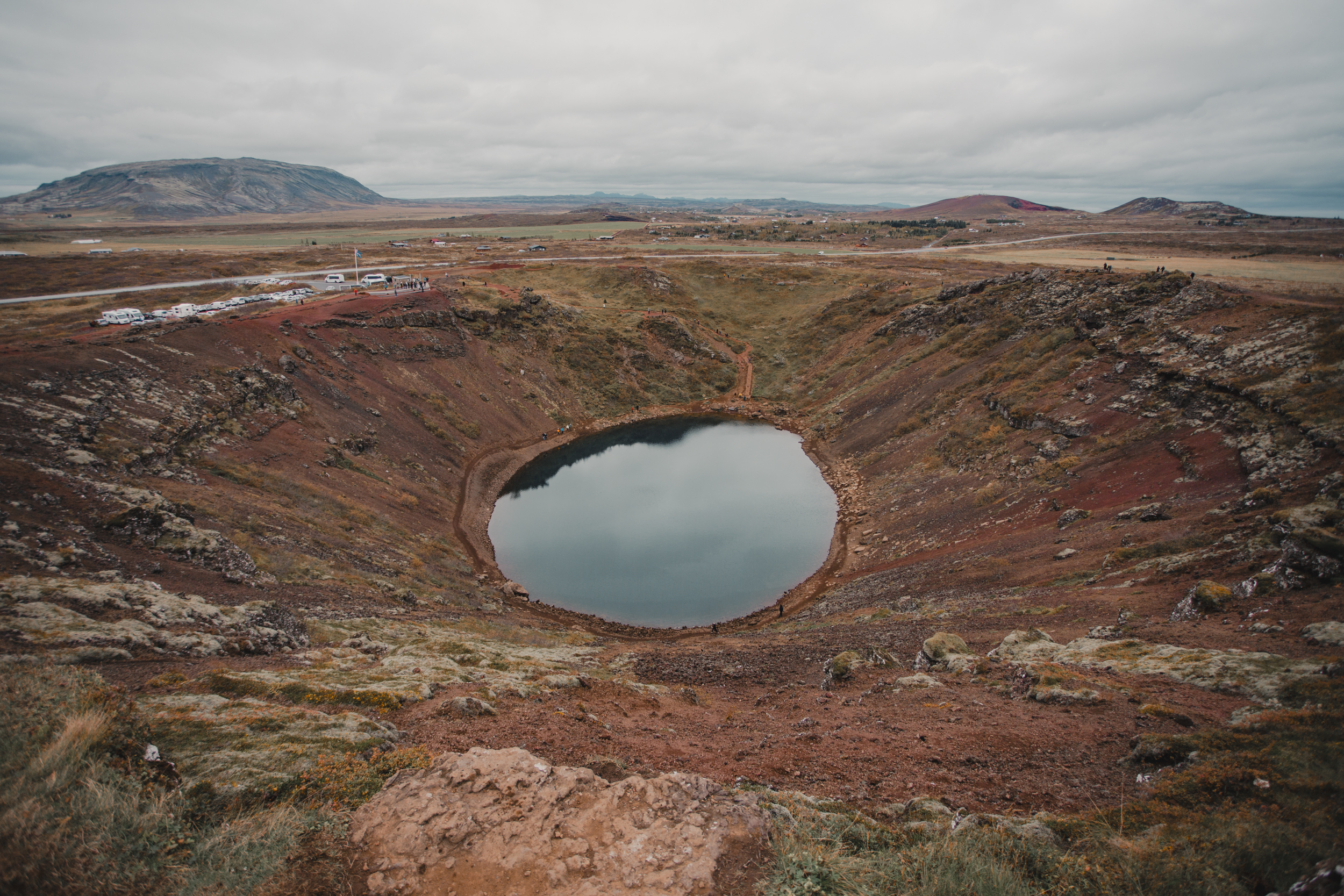
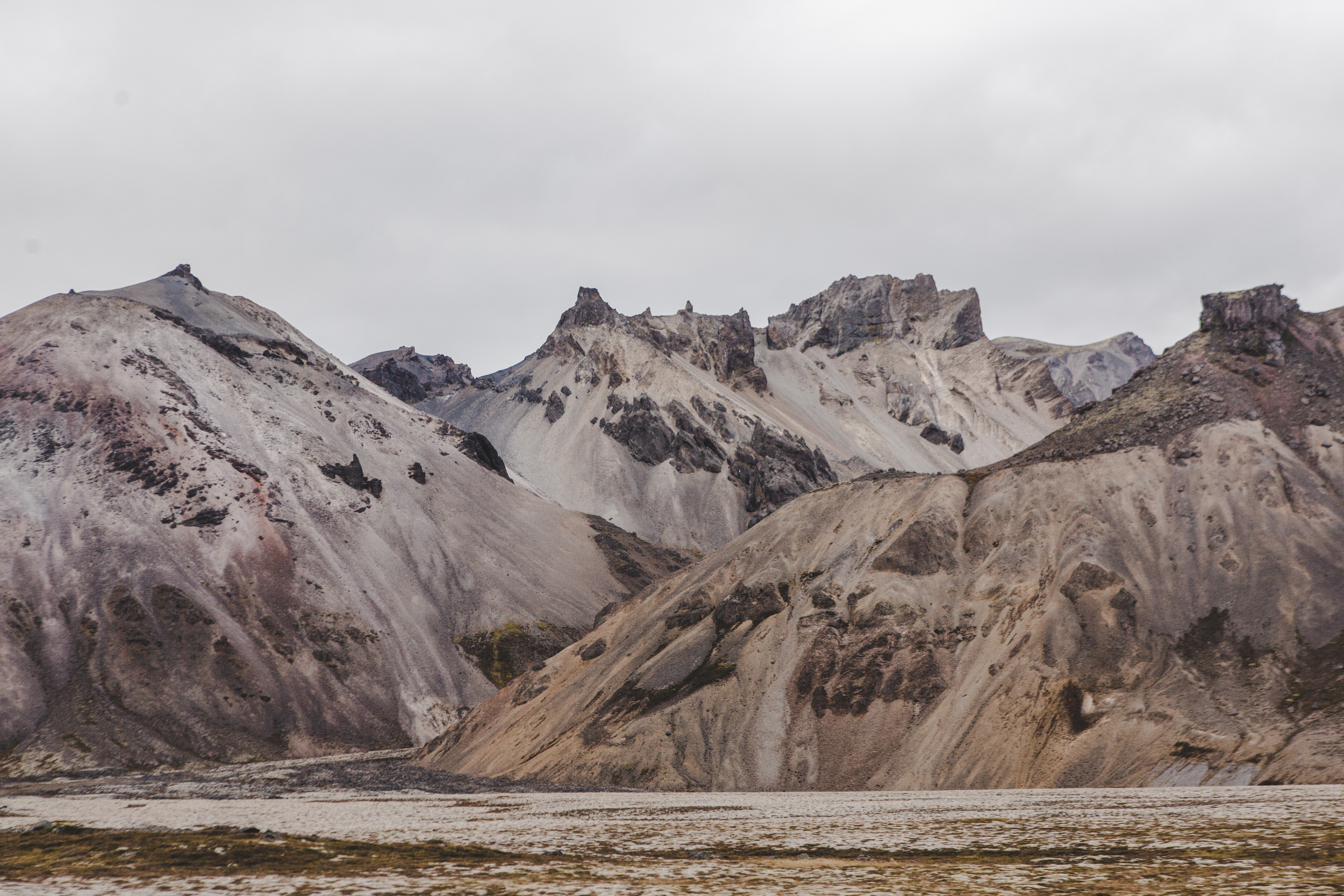
The roads in Iceland unfurl through vastness. There are long stretches where another car doesn’t appear for half an hour, where mountains rise from empty plains and glaciers sit quietly on the horizon, impossibly white against black volcanic earth. The hues of minerals from volcanic eruptions; red, green, purple, orange are painted across the landscape – and while this trip lent a mesmerizing and unforgettable samples of Iceland’s palette, we could come to find on subsequent trips, deep into the interior of the country, that we had only scratched the surface.
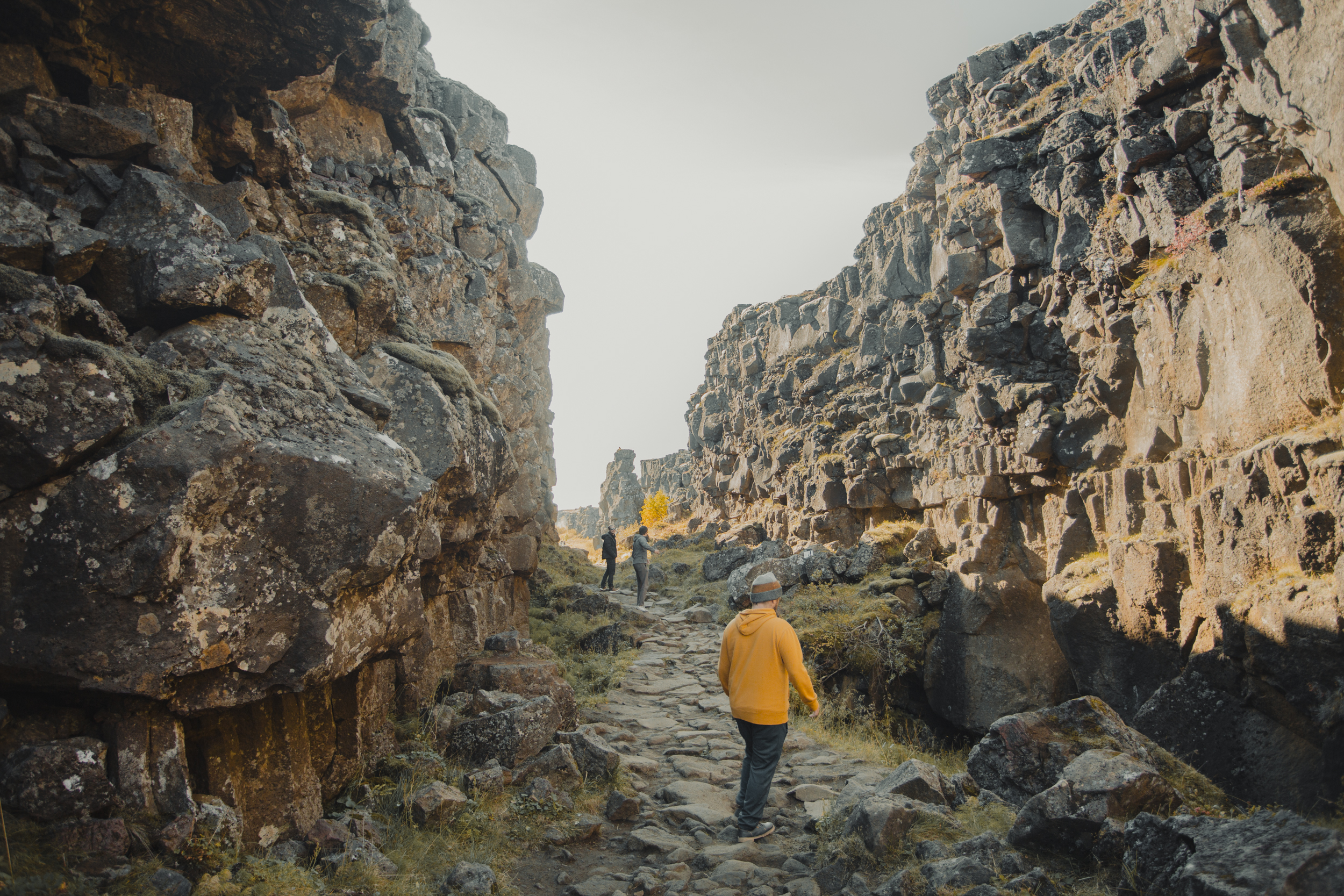
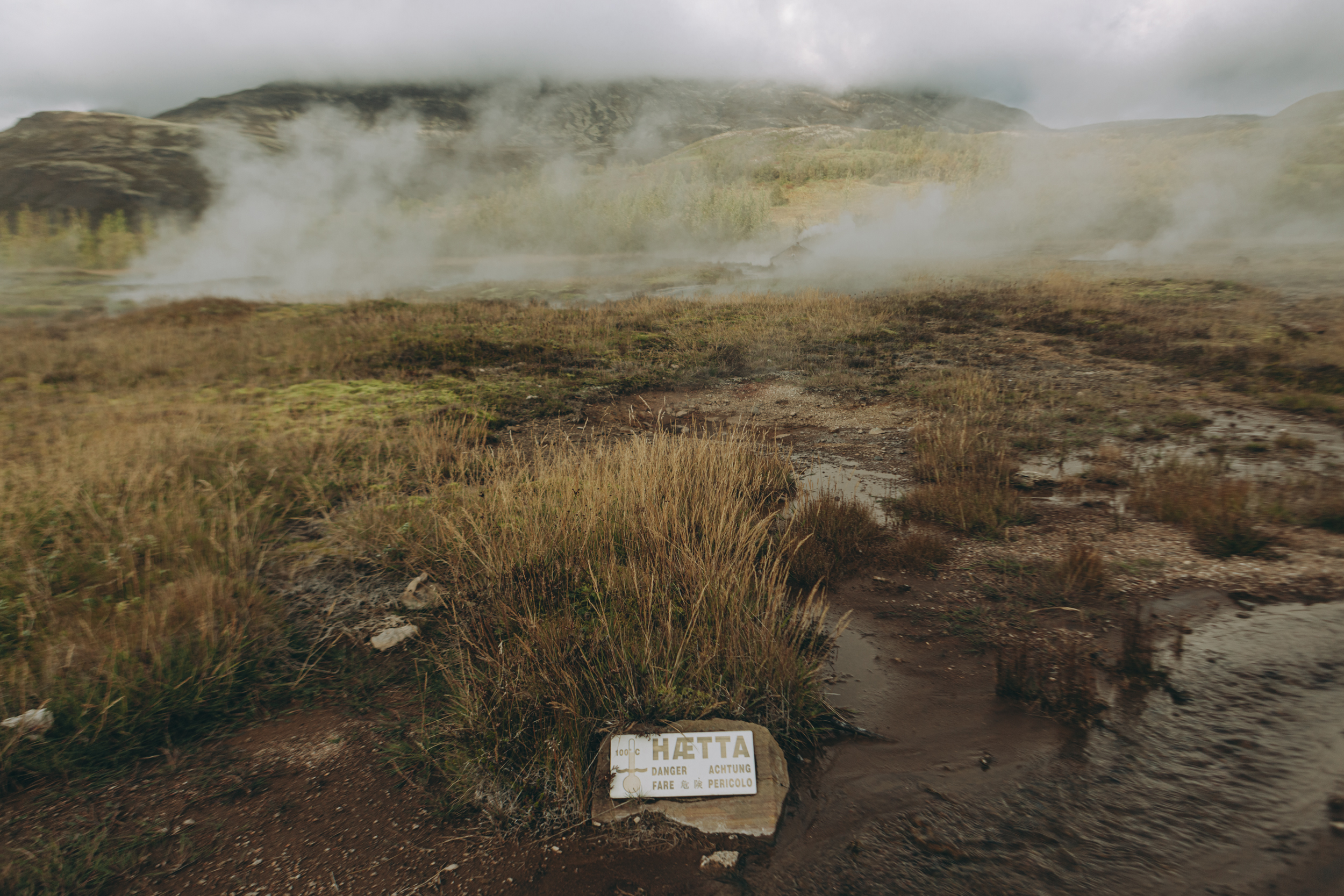
Travelling the Golden Circle was our first introduction to Iceland’s geological language. At Þingvellir, continents slowly pull apart beneath your feet. At Geysir, the earth exhales columns of boiling water into the cold air. Gullfoss pours endlessly into a rugged canyon, its mist catching the light like a veil.
Everywhere, the landscape spoke of movement. Nothing here was fixed. The earth was still writing itself.
UNFURLING through vastnessvastness
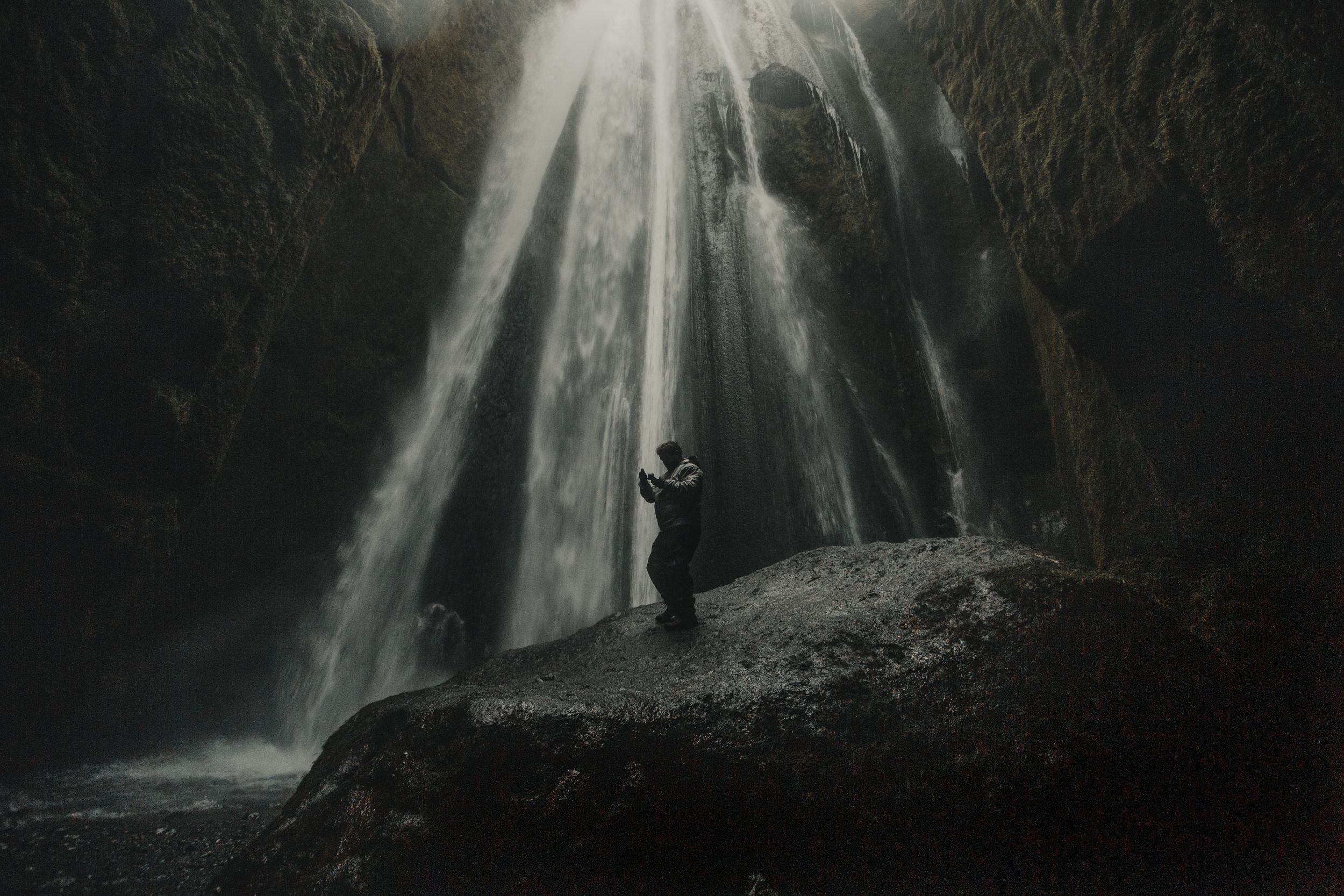
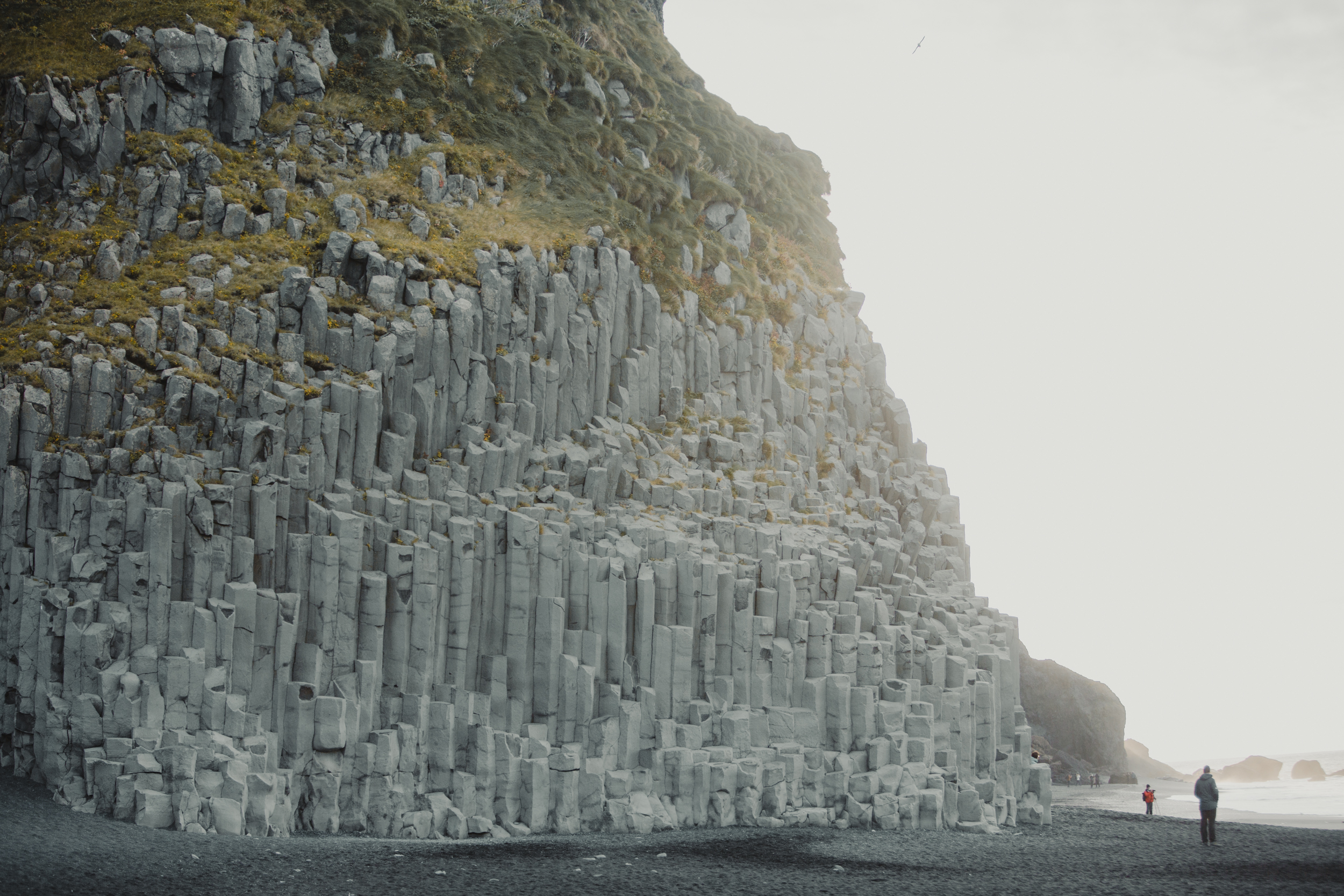
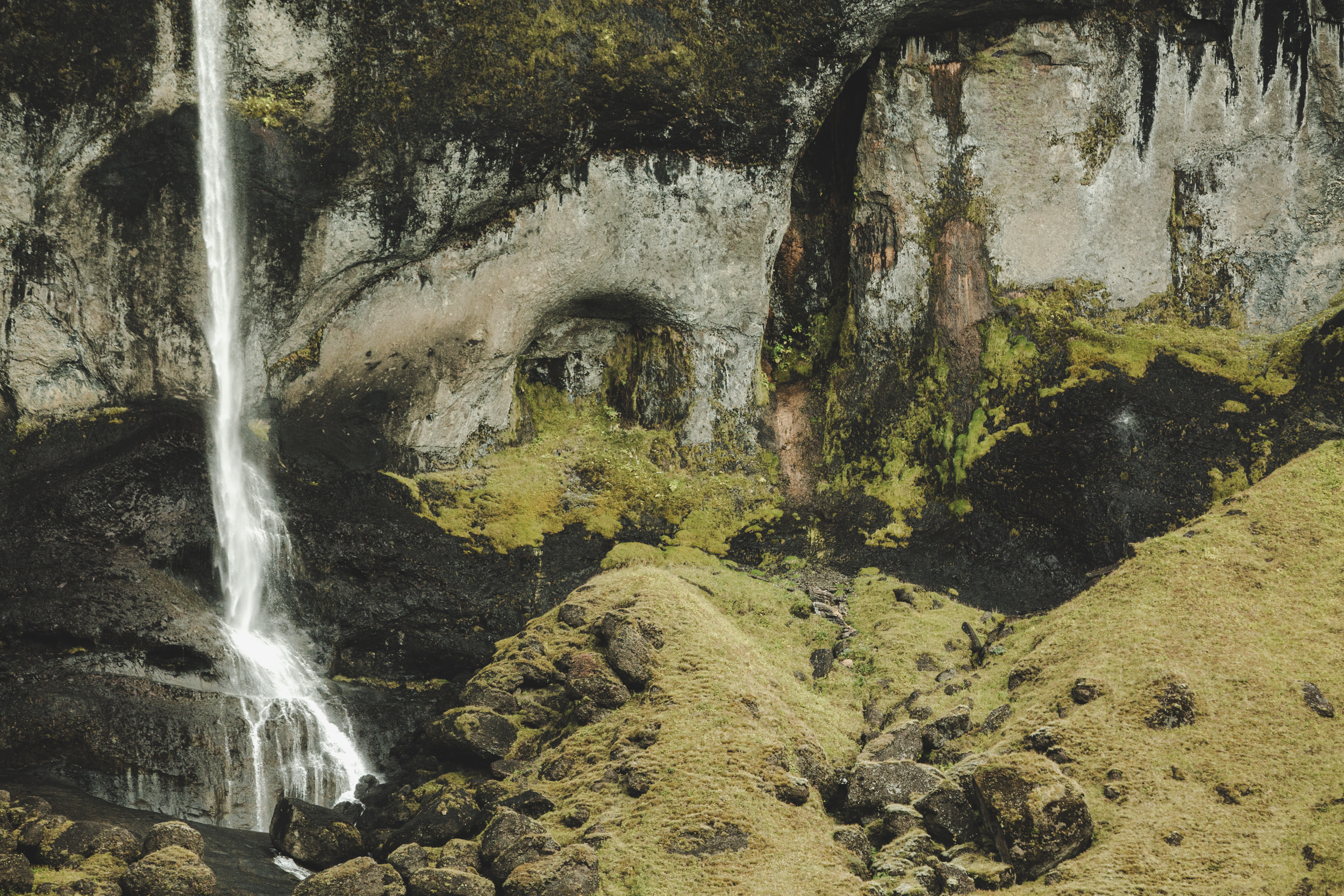
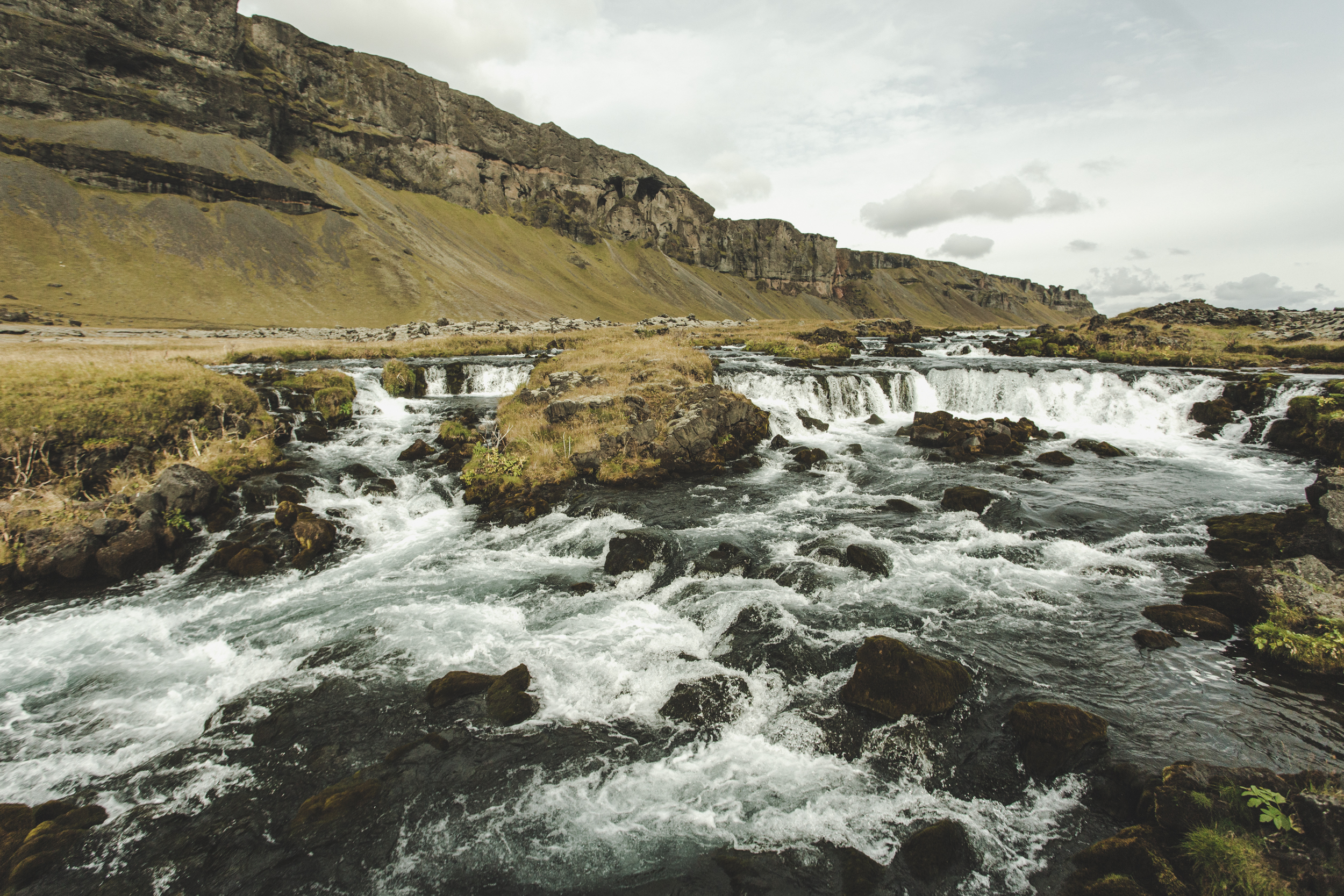
As Leo and I continued east along the South Coast toward Höfn, each bend in the road revealed another impossible scene. Waterfalls spilled from cliffs that disappeared into cloud. Black sand beaches stretched towards an endless Atlantic and the denoting sound of waves crashing against basalt cliffs. Small Icelandic horses stood calmly against fierce winds, their thick coats rippling in the weather as though they belonged entirely to it. At some points along the journey, the sense of awe became almost overwhelming, each bend in the road revealing elements of the landscape even more majestic than those we had already experienced.
The weather in Iceland can change by the minute. Sunshine became rain. Rain became mist. The mountains appear and disappear like ghosts. The cairns the dotted the land scape, markers of passage, direction made sense in a landscape where the weather can hide the traces of travel in an instant. We learned quickly that the forecast was less a prediction than a suggestion. There was a humility in travelling through a place that paid so little attention to your plans – a gentle reminder of how little we actually can control when confronting raw nature. But in these moments, in these places, relinquishing control allows you to feel the landscape all the more – to let it in, to let it entwine, and to allow yourself to remember that you are part of it all – not greater than it.
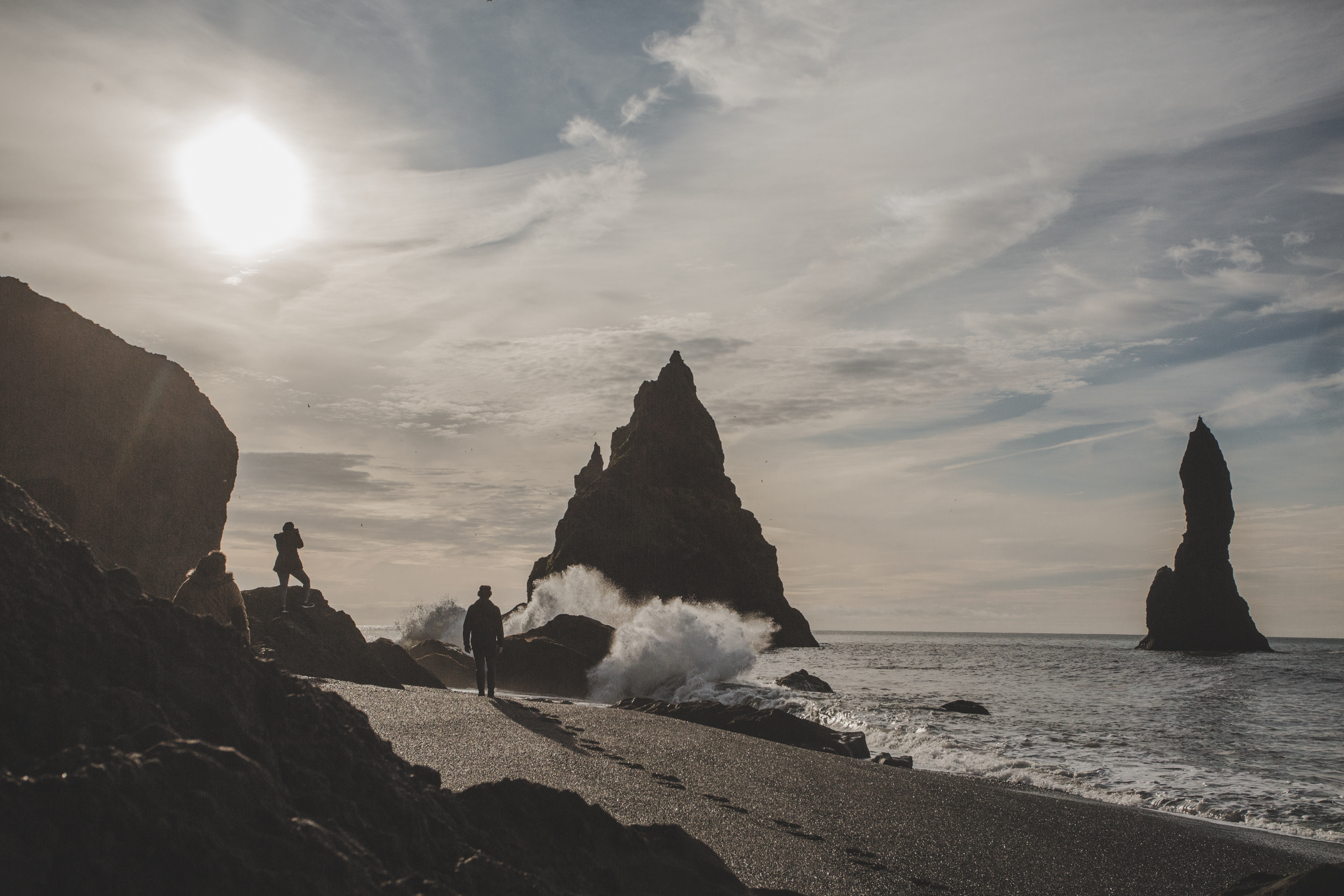
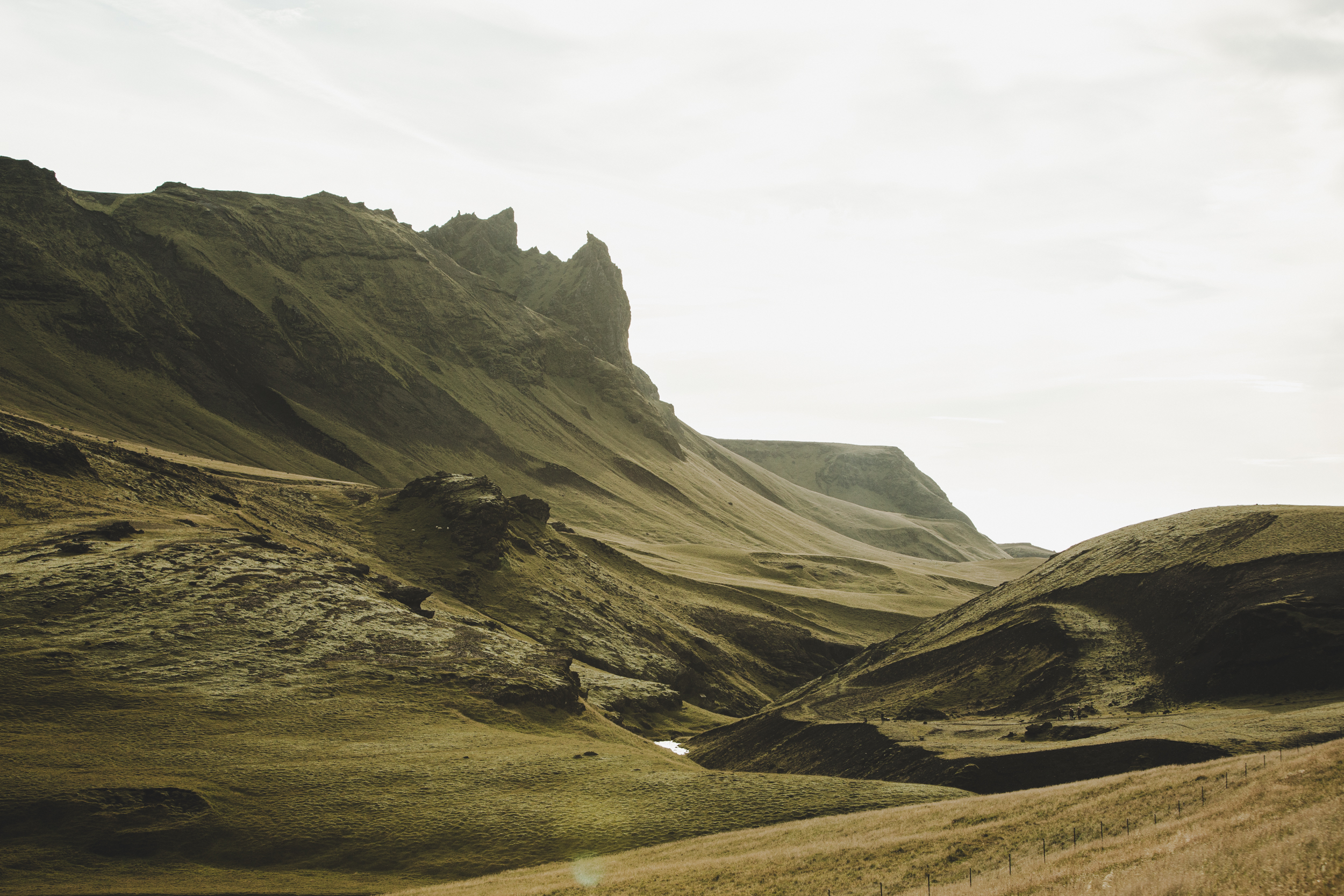
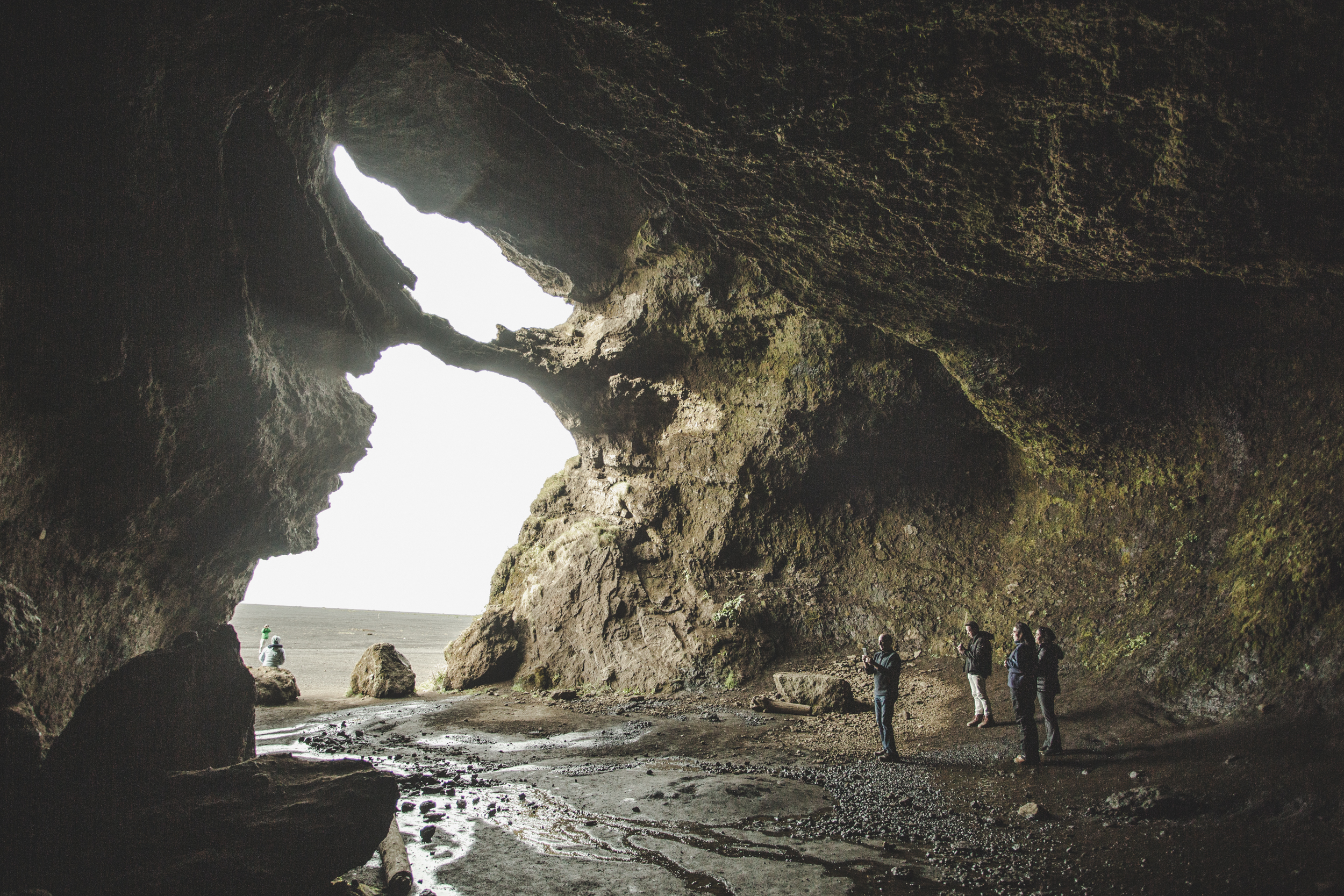
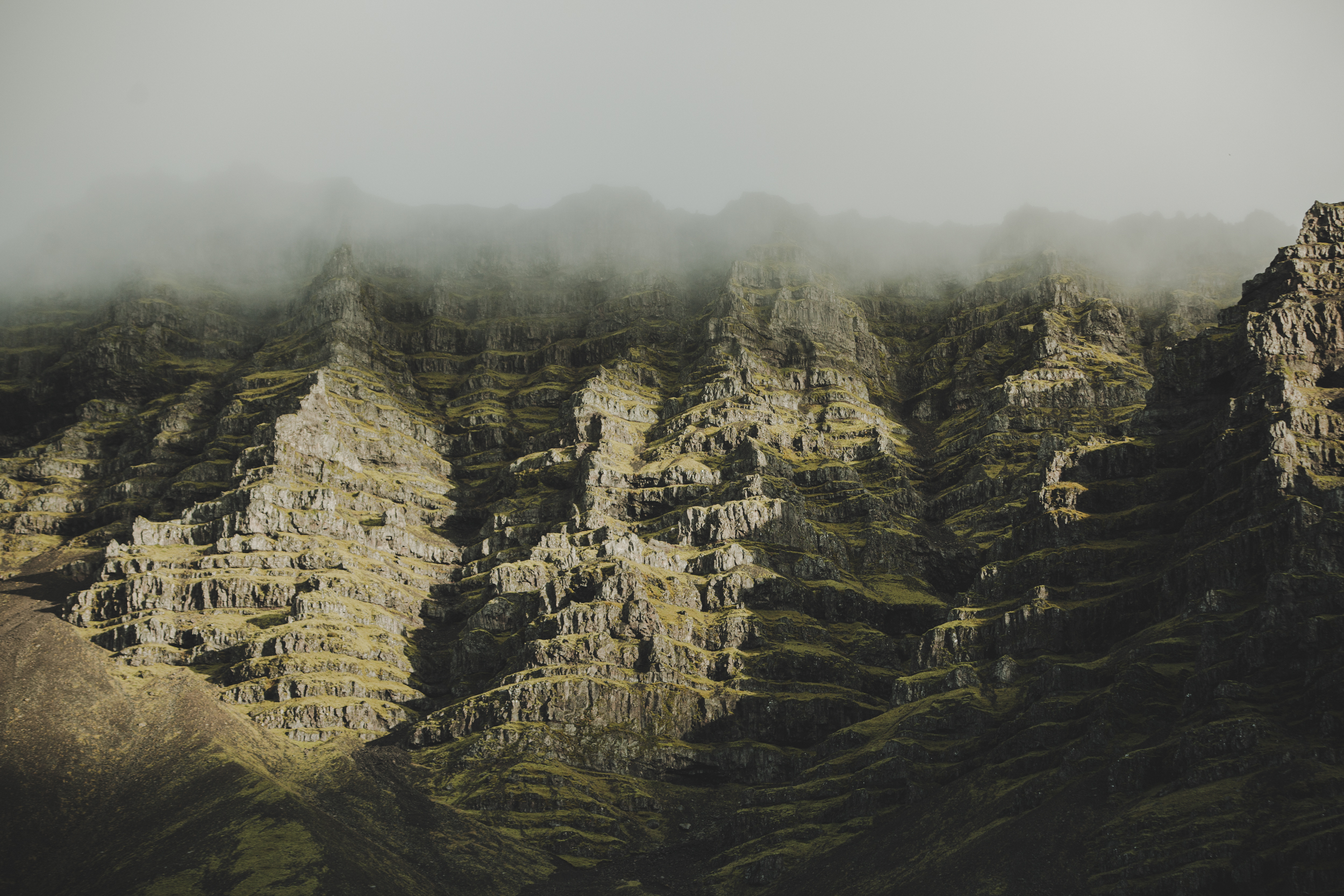
Memory made visiblevisible
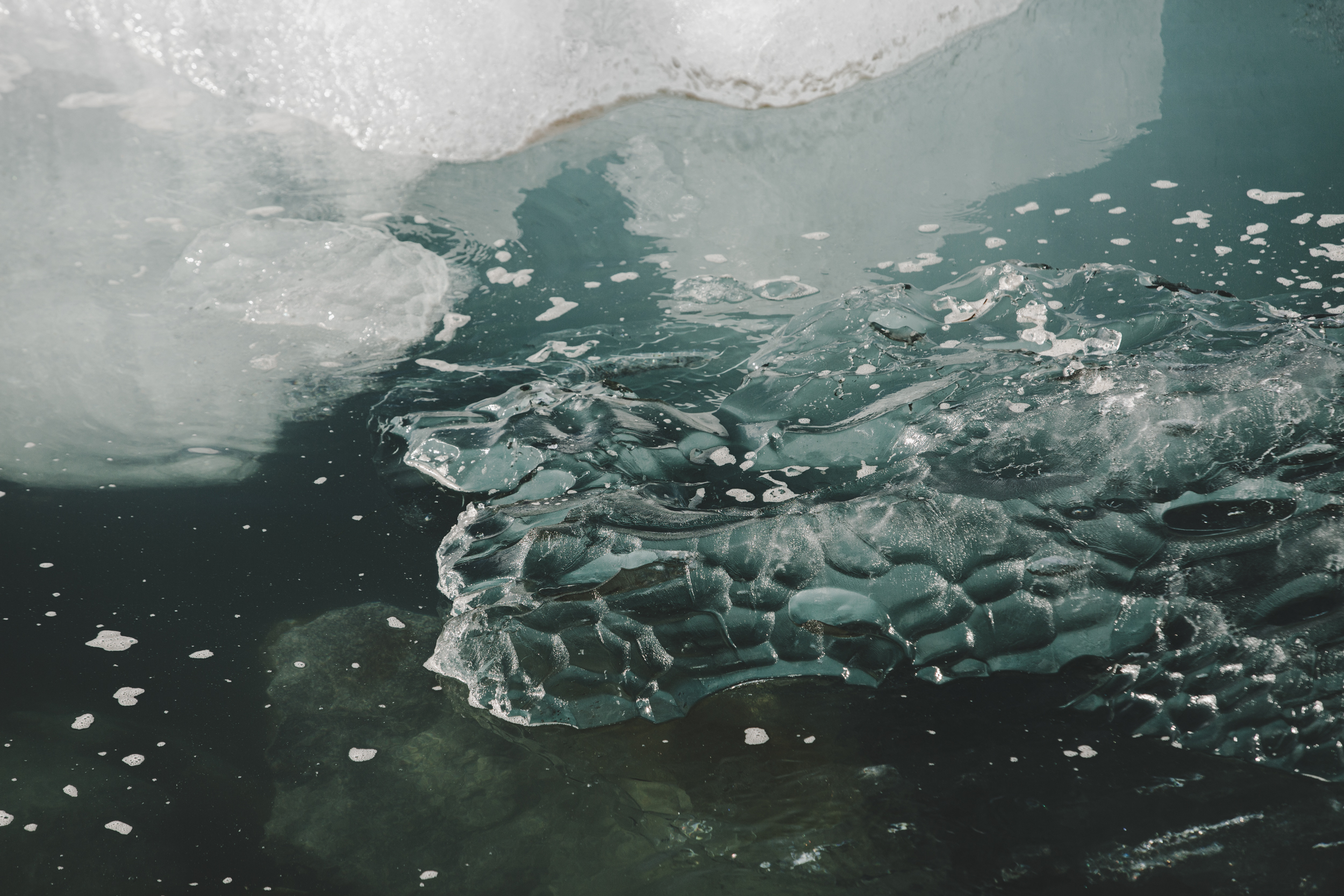
Glaciers. Oh, the glaciers. My adoration for these icy beings knows no bounds.
No photograph had prepared me for their presence. Photographs flatten glaciers into landscapes. In person they possess such an enormous, breathing, presence. The blue is deeper, more vibrant color – almost unnatural in a sense, ancient as the memories that it encapsulates. The silence surrounding them is fuller, as if the awe and magnitude of them pull in all the surrounding sound, commanding your undivided attention. But when the glacier speaks, it ripples through and cuts the silence in a language measured not in words, but in a thunderous rapture, releasing it’s voice that it has been holding close for centuries.
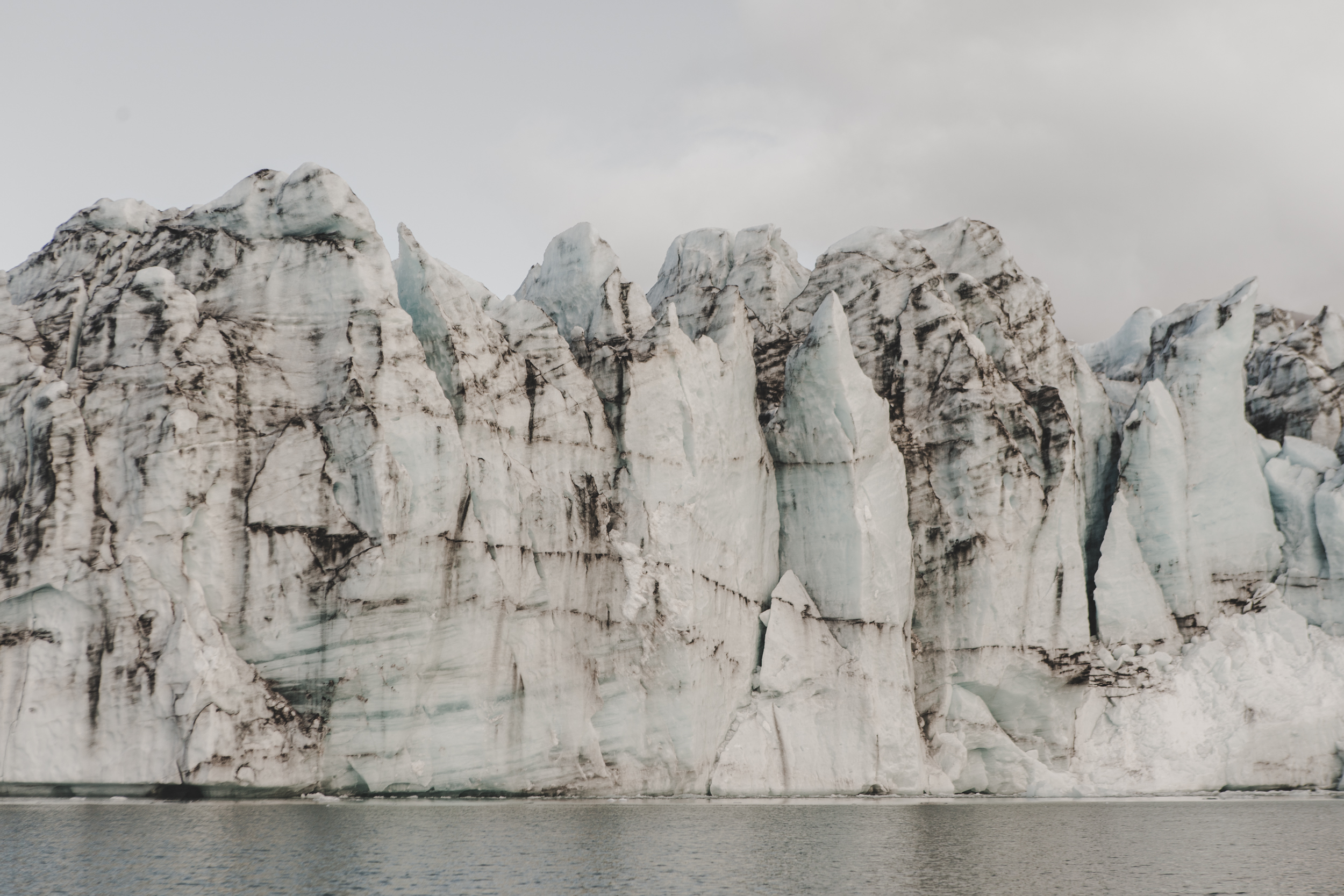
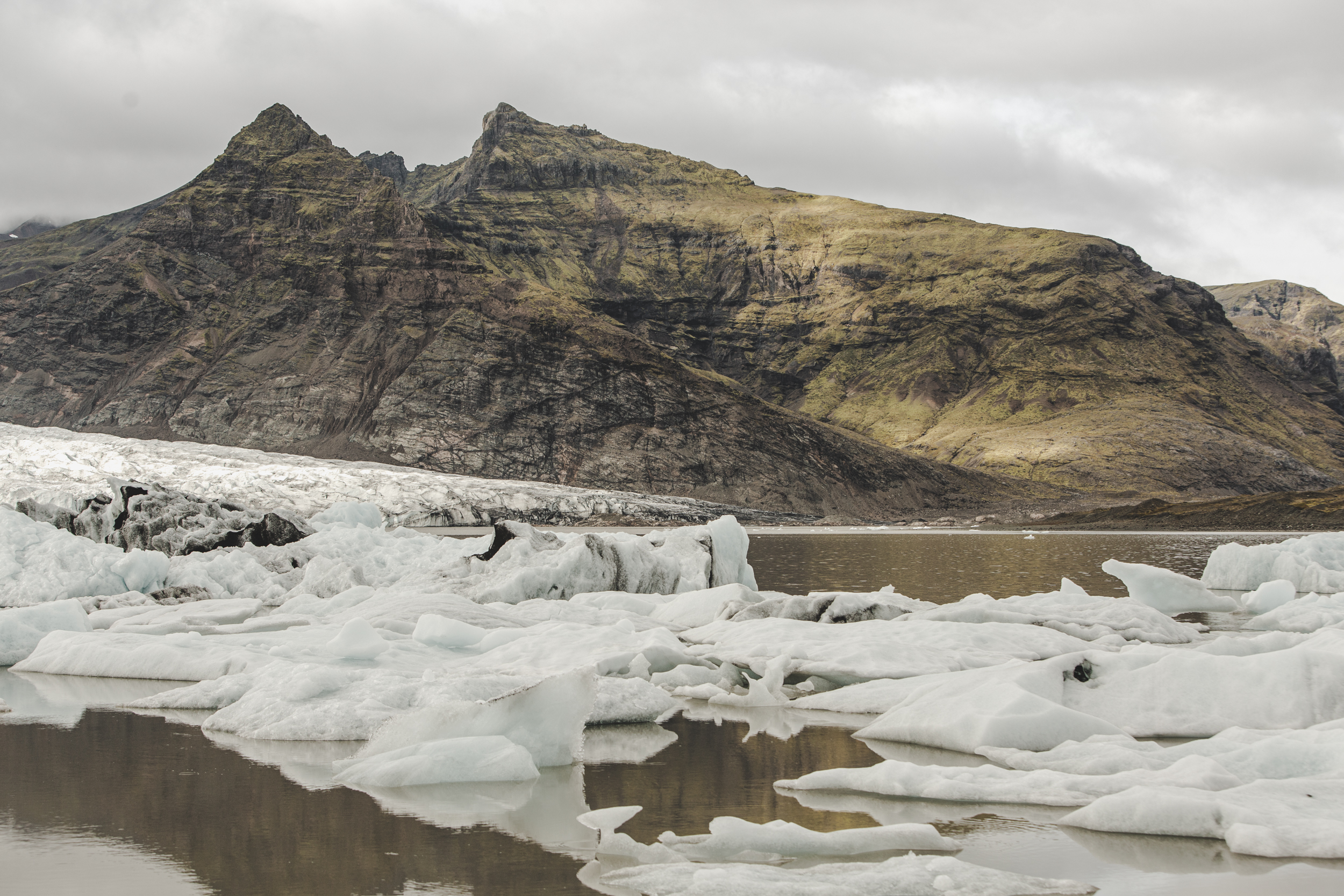
The first glimpse of Vatnajökull silenced us both. Vatnajökull was the first of the glaciers we spotted, in the distance, an icy white blanked hovering over volcanic mountains. It wasn’t simply enormous; it possessed a gravity that demanded stillness. Layers upon layers of compressed snow stretched across the landscape in shifting shades of white and impossibly luminous blue. As we approached it closer, reaching Jokullsarlon, deep crevasses became more apparent, marking centuries of movement, souring and scraping new landforms into existence. Meltwater carved rivers beneath ancient ice, carrying fragments of frozen history, towards the sea. Standing before that glacier, time suddenly became tangible.
A glacier is memory made visible. Each layer holds a season. Each fracture tells a story. Each metre of ice represents centuries that far exceed a human lifetime. They hold ash, atmosphere, pollen and poetry.
Yet woven through that beauty was an undeniable sense of loss, that hit me almost as immediately as the grandeur of their presence. A glacier is both powerful and incredible vulnerable. This juxtaposition is immediately felt when experiencing them so close.
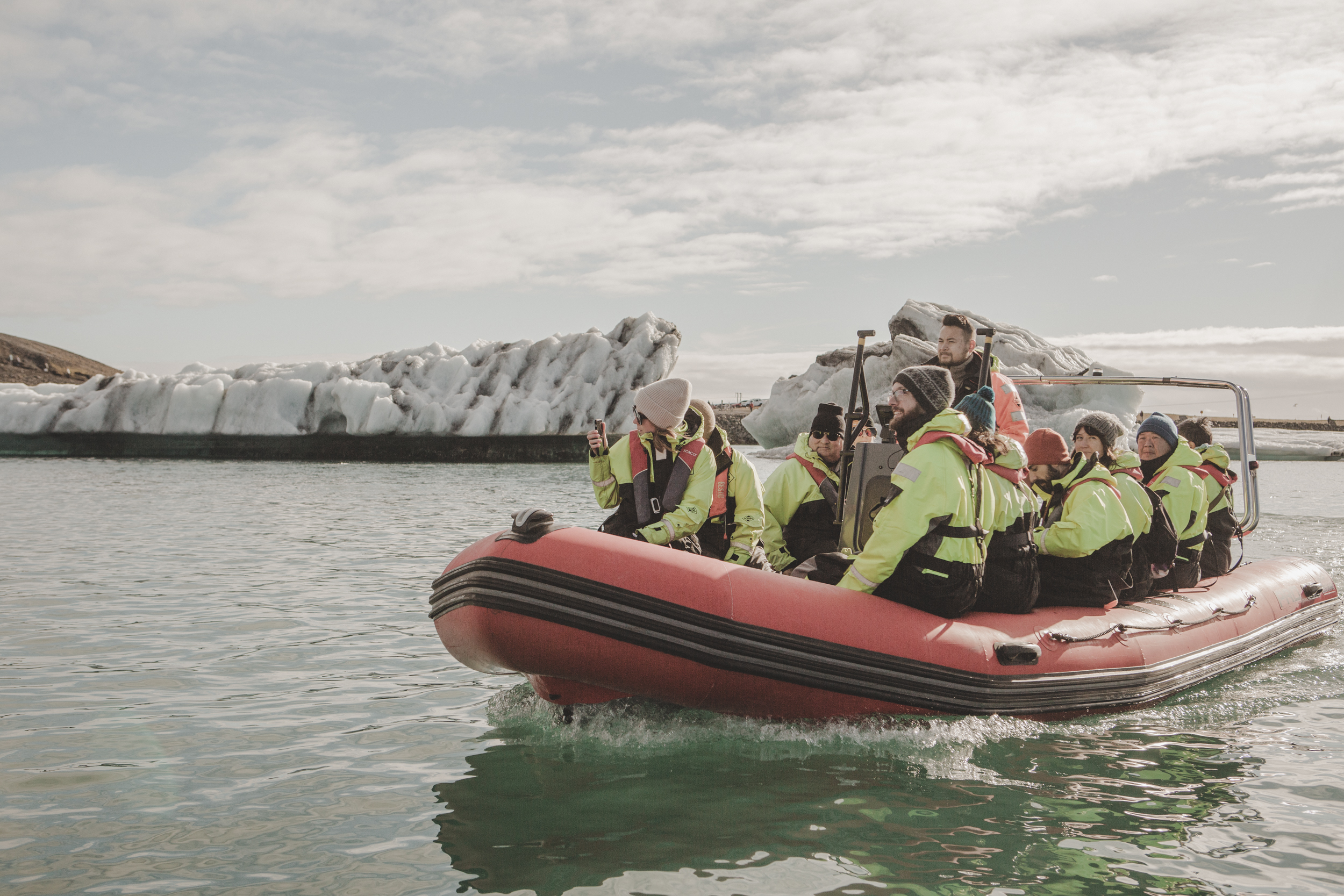
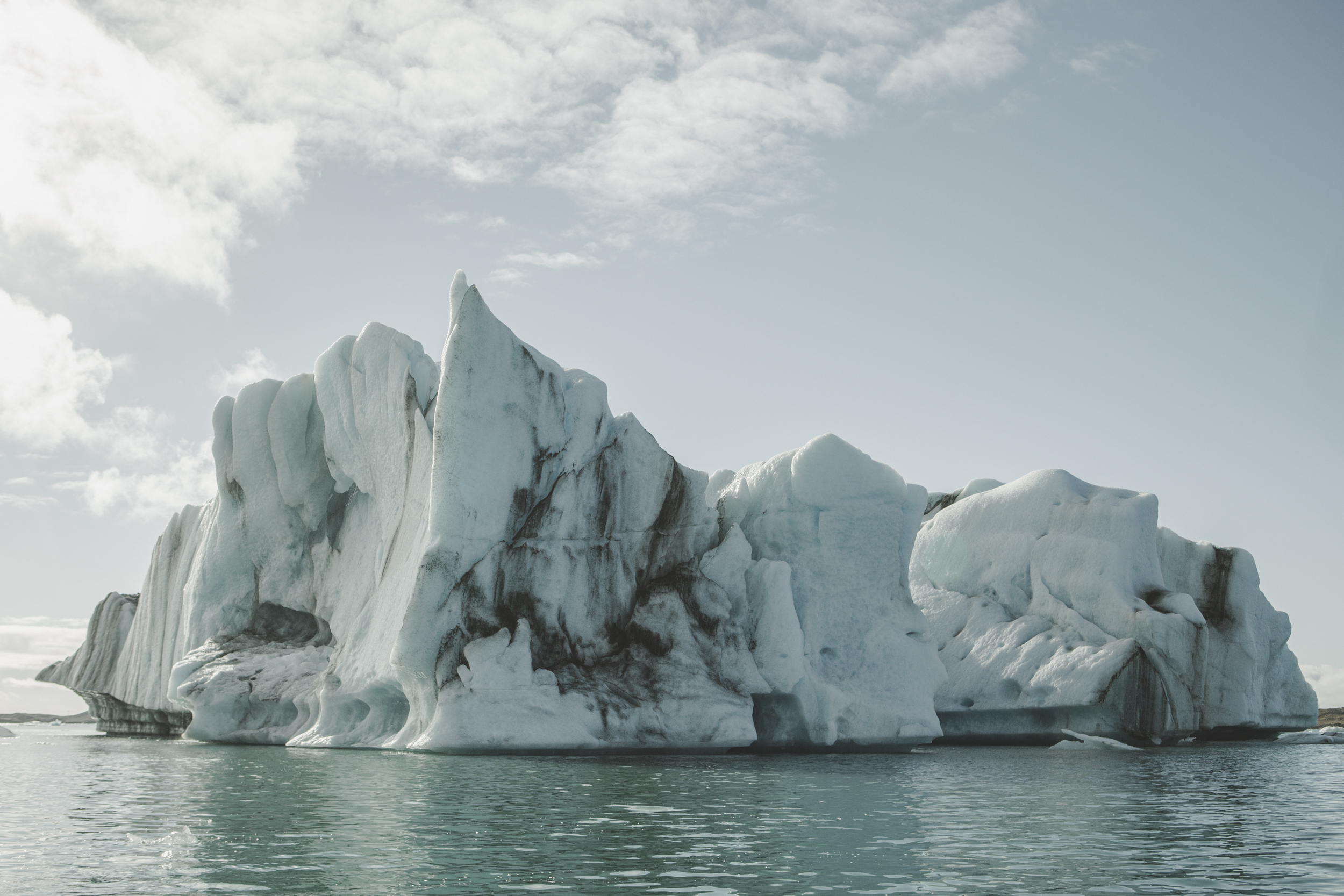
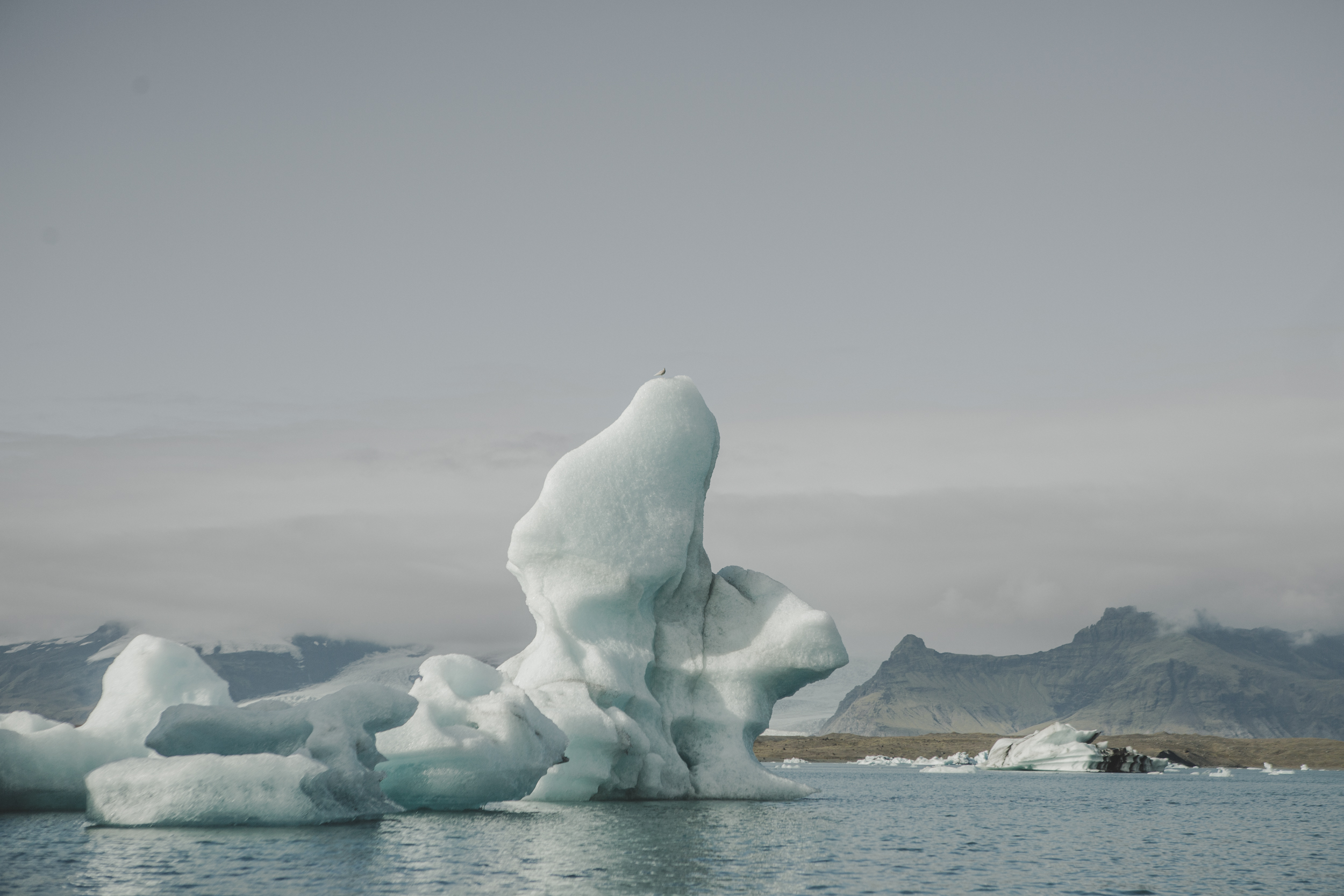
We decided to take a boat ride through Jokulsarlon, the lagoon which has formed at the wall of one of Vatnajökulls largest tongues. We wished to view the icebergs at closer proximity, drifting in the lagoon, the last remnants of the calving glacier face floating in the glacier lagoon before being swept out to sea. We learned on this short jaunt between the floating ice, how dramatically the glaciers had receded in just a few decades. Guides pointed towards places where ice once reached within living memory. It was here and now, that the effects of climate change became heartbreak made visible.
Drifting there with Leo, surrounded by a silence broken only by cracking ice, churning water, and a few distant tourists, I felt something I still struggle to describe. It was awe, certainly, but also of a deep grief coming from the very core of my being. Gratitude for this moment, for this place, became intertwined with a newfound sense of responsibility, churned up buy the realization of the privilege of witnessing something extraordinary alongside the knowledge that it was changing at a pace no landscape should.
lessons in thethe LEAVING
I left Iceland carrying this weight and the deep impression it left on me.
Until that journey, my artwork and projects had largely explored beauty, texture, and the quiet, strange, poetry of the human condition. But after standing before retreating glaciers, exploring simply beauty in my work no longer felt enough.
I found myself asking different questions. What if art could become an act of stewardship? Could creativity help people feel connected to landscapes they may never visit? Could art cultivate care rather than simply admiration? Those questions quietly began to reshape my practice and honed my attention to how I even observe what happens in my own backyard, an ocean away from the glaciers that inspired this new trajectory.
The work I create today is rooted in conservation and storytelling, climate awareness, collaborations between art and science, and our relationship with the living world. It seeks not only to celebrate nature’s beauty but to explore our responsibility towards it, our kinship with landscapes that sustain us and our obligation to protect them. The glaciers altered more than my perspective. They altered my purpose.
I often think about Jökulsárlón, where icebergs drift silently towards the Atlantic like fragments of another age – until they disappear completely into the salty sea, once again becoming part of the fluid cycle of water. I recall how Leo and I stood there far longer than we had planned, saying very little to each other, simply taking in the story that the glaciers were telling us. We watched seals weave effortlessly between floating ice while Arctic terns traced circles overhead. Time seemed to slow. Nothing asked for our attention except the landscape itself.
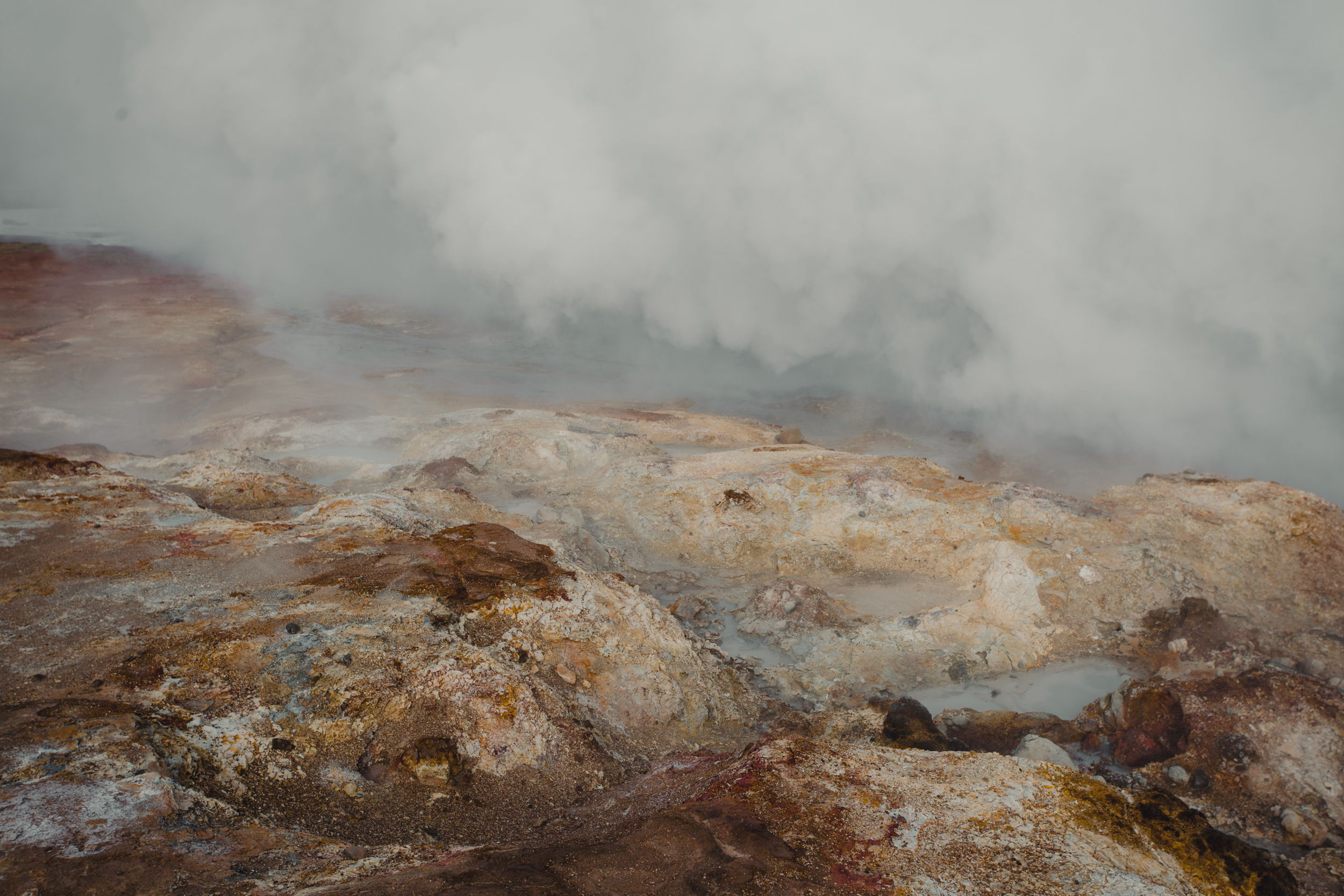
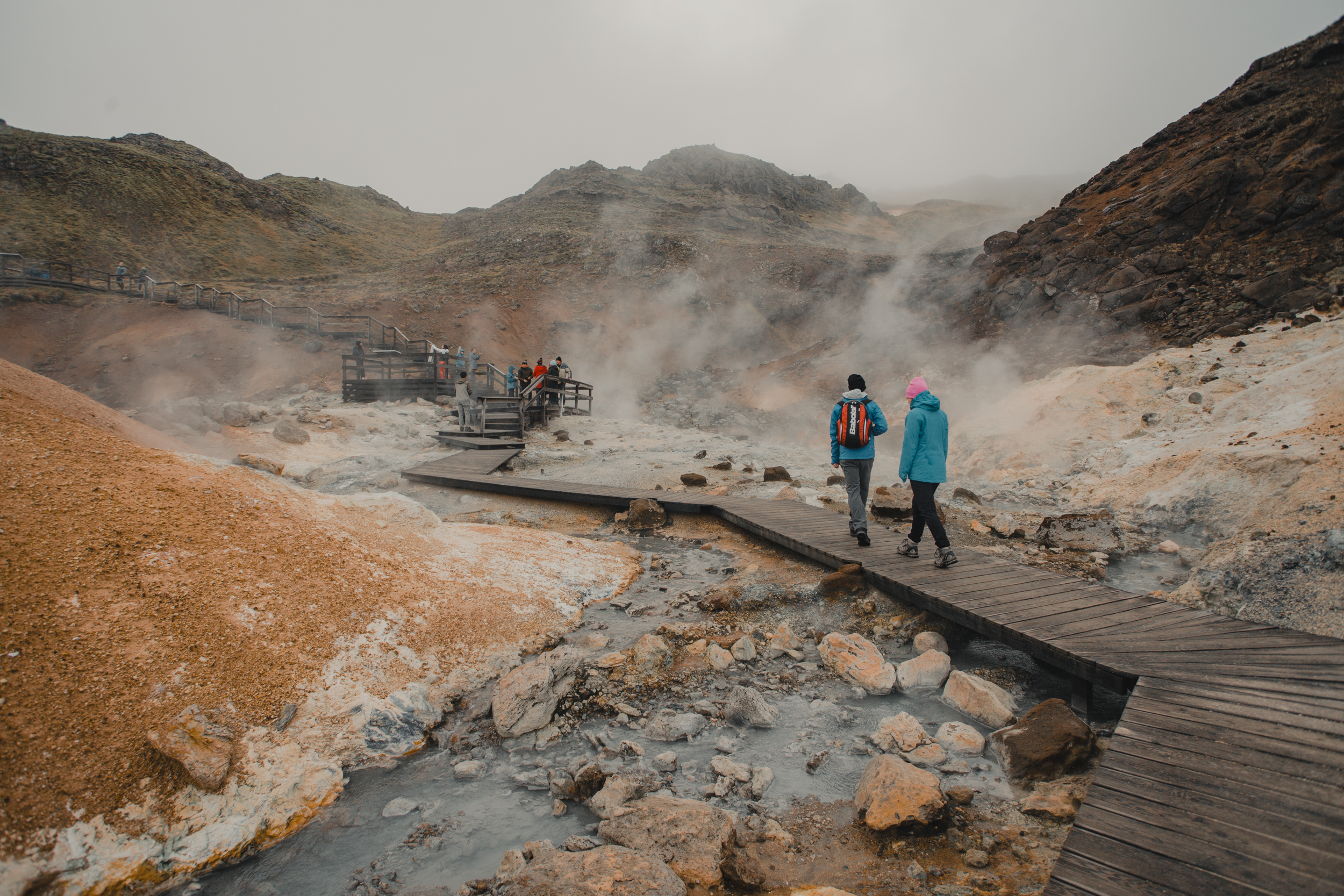
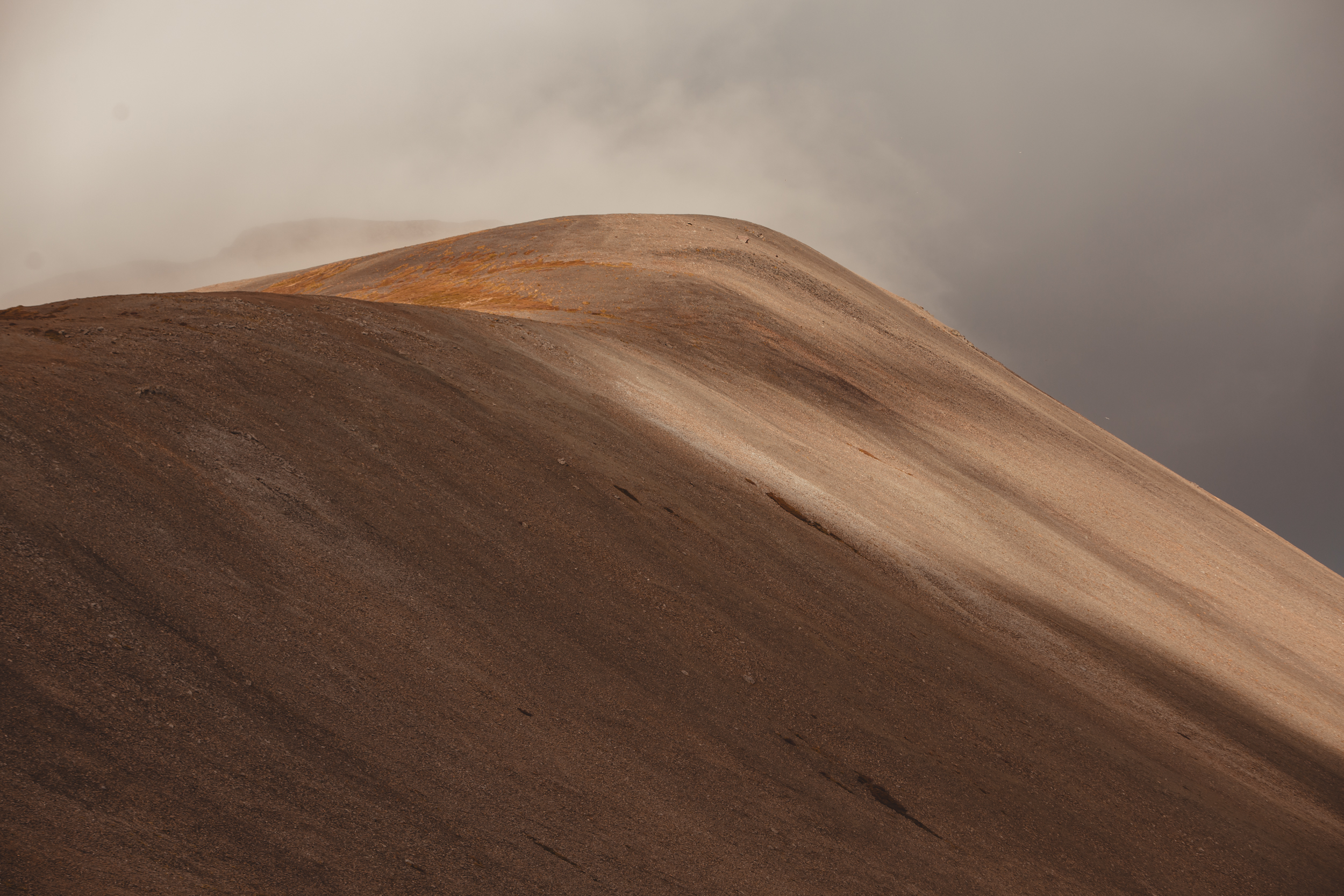
Some places ask to be photographed. Others ask to be felt, to be witnessed. Iceland taught me the difference.
Looking back now, I realize that the road from Reykjavík to Höfn marked more than a journey across a remarkable island. It marked the beginning of another path entirely, one that continues to shape my work, my values, and the questions I ask as an artist, a traveller, a human.
People often describe Iceland as otherworldly.
I don’t think that’s quite right.
It is profoundly earthly.
It reveals the planet not as a backdrop to our lives, but as something living, breathing, and constantly becoming. It reminds us that we are not separate from nature but participants within it. That, perhaps, is what awe truly is. Not simply admiration for something beautiful, but the quiet recognition that we belong to something infinitely larger than ourselves.
I arrived in Iceland hoping to see glaciers. I left understanding that they had seen me too. They shifted something that has never shifted back. Every piece of work I make now carries, somewhere beneath its surface, the faint scent of volcanic sulphur on cold air, the sound of meltwater beneath ancient ice, and the enduring belief that art can help us remember what is worth protecting.
If you are interested in reading more about our journey and learn about the places we visited on our first trip this incredible island, please visit our Iceland Guide Part I. Also be sure to read the additional articles on our return trips there, including my ten day solo camping venture while visiting the island for an exhibit of my work inspired by Icelands unforgettable glaciers. Full gallery of images from this journey to Iceland can be found HERE


Aiden Moore
Egestas sed sed risus pretium quam vulputate dignissim suspendisse in. Pharetra sit amet aliquam id diam maeceas ultricies mi.